Listeners:
Top listeners:
-
 play_arrow
Kapital FM 92.9 The Station that Rocks!


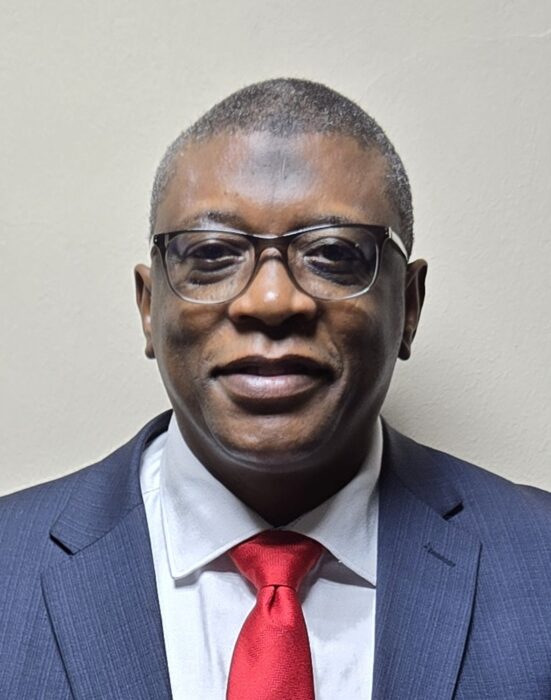
President of the Nigerian Economic Society (NES) and Director General of the West African Institute for Financial and Economic Management (WAIFEM), Dr. Baba Yusuf Musa, says Nigeria’s ongoing economic reforms will only be successful if they translate into better living conditions for ordinary citizens.
He stressed that while macroeconomic indicators are beginning to improve, the real measure of success lies in whether Nigerians experience gains in employment opportunities, purchasing power, healthcare, education, and general economic security.
Speaking during an interview with newsmen, Musa noted that Nigeria was gradually emerging from one of the most difficult economic adjustment periods in recent history.
According to him, reforms including exchange rate adjustments, fuel subsidy removal, tighter monetary policies and fiscal restructuring came with enormous social and economic costs that placed pressure on households across the country.
He explained that Nigerians experienced high transportation costs, rising food prices, increased energy expenses and declining household incomes during the early phase of the reforms. However, Musa argued that there are now signs that the reforms are beginning to yield positive macroeconomic outcomes.
He pointed to moderating inflation, improved investor confidence, strengthened external reserves and a more transparent foreign exchange market as evidence of gradual recovery.
Despite these improvements, Musa warned that reforms would lose legitimacy if citizens fail to see tangible benefits in their daily lives.
He said economic stability must move beyond statistics and become meaningful to ordinary people.
According to him, citizens are more likely to support reforms when they can clearly see improvements in their welfare and living standards.
On the global economy, Musa stated that international developments continue to shape Nigeria’s economic outlook.
“Global growth, changing oil market dynamics, geopolitical tensions, and shifting investment patterns have forced countries like Nigeria to rely more on domestic resilience than favourable external conditions.”
He stressed that Nigeria must increasingly build economic stability from within through institutional reforms and productivity driven growth.
Musa also highlighted the importance of the digital economy, describing it as one of Nigeria’s strongest growth areas.
He said sectors such as telecommunications, financial technology, logistics, e-commerce and digital platforms are contributing significantly to GDP growth and job creation.
According to him, Nigeria’s technology entrepreneurs are now attracting global attention as millions of Nigerians participate in digital financial services and online businesses.
He further explained that broadband penetration and mobile internet access have expanded rapidly in recent years, helping to drive financial inclusion and innovation.
Musa said the growth of mobile money and agent banking has brought financial services closer to previously excluded populations, while young Nigerians are building scalable technology solutions capable of competing globally.
On banking sector reforms, Musa defended the recapitalisation programme, saying stronger banks are necessary to support economic expansion, industrialisation, infrastructure financing and technological innovation. He argued that recapitalisation should not only focus on larger capital bases but also improve governance standards, risk management practices, and financing support for productive sectors of the economy.
Addressing concerns about Nigeria’s debt profile, Musa acknowledged that debt sustainability remains important but maintained that the country’s bigger challenge lies in revenue generation and fiscal efficiency.
He explained that while Nigeria’s Debt to GDP ratio remains within acceptable international thresholds, low government revenue continues to place pressure on debt servicing and public investments in infrastructure, education, and healthcare.
Musa concluded by urging policymakers to ensure reforms remain people centred and inclusive. He warned against reform fatigue, noting that prolonged hardship without visible improvements could weaken public trust and social stability.
According to him, the ultimate judgement of Nigeria’s reforms will depend not on fiscal statistics alone, but on whether citizens can experience dignity, opportunity, security and hope in their daily lives.
Umbwanko Baba, Edited By Grace Namiji


Post comments (0)