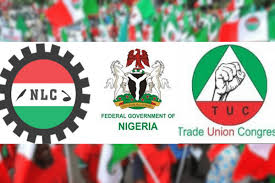
The Nigeria Labour Congress, NLC has a rich history that dates back to the pre-independence era.
In 1942, the Nigerian Workers Union, NWU was formed, marking the beginning of organized labour in Nigeria.
The NWU became more active and later transformed to the Nigerian Trade Union Congress, NTUC.
The NTUC was later dissolved and the Nigerian Labour Congress NLC was formed.
The NLC became a prominent force in Nigerian politics; it also played a key role in protecting workers’ rights, better wages, working conditions, and welfare.
In 2005, the Trade Union Congress,TUC, came on board to join the NLC in representing the interest of the Nigerian workers.
The NLC and TUC later joined forces to form the Organized Labour.
The Organised Labour and the present administration as other administrations have been on each other’s throats since its inauguration.
This was all in the efforts to make the nation a better place especially as it relates to workers’ welfare.
On Monday, June third, the Organised Labour again called for an indefinite strike from members of all its affiliated bodies.
Its demand was a living wage for Nigerian workers as well as the reversal of the recent hike in electricity tariff.
The Organised Labour decided to embark on the industrial action after the negotiation between it and the federal government came to an impasse.
The negotiation has been on since the government policy on removal of fuel subsidy announced by the president last year which led to an increase in the cost of goods and services.
The economic situation in the country has left no one in doubt that things are hard.
The majority of Nigerians are suffering as many could not have access to good meals, effective Medicare and other socio-economic activities of life.
But one thing remains important, if the on-going national strike is not checked, it will further add to the already loaded burdens of Nigerians.
This is why it becomes imperative for both the government and the Organised Labour to thread the path with caution, bearing in mind that human lives are involved and a life lost cannot be replaced.
One system that the Organised Labour has over the years believed in was increase in salaries or emoluments.
There is nothing bad with that, especially when one considers the soaring cost of living, especially the cost of food items that have gone beyond the reach of most Nigerians, but there must be moderation in negotiation.
One is not far from being correct that while some State Governors are owing their workforce unpaid salaries, some were yet to implement the last salary increment granted workers despite the improvement in revenue allocation to states by the present administration.
The labour should see to this.
Also, the Labour unions should be able to hold government accountable in governance by causing it to create more job opportunities for the people.
According to statistics, about three quarters of the Nigerian working age are un-employed, while about ten percent of the present youths are engaged in without pay or profit ventures causing the looming criminality among youths.
This must also be addressed.
Most members of the NLC and TUC who are workers in Textile Industries, the Railway, the nation’s giant Steel Rolling Mills and other places are out of job.
This should be a concern to the labour leaders.
Government on its part must stop playing the Ostrich game, where the head is buried inside the sand and the whole body is exposed.
The beauty of democracy is the ability of government to make life bearable to the citizens.
It must not be a situation where few enjoy and majority suffer.
No matter the situation, this war of strike must not be allowed to linger as the nation will always be at the threshold of economic loss and not forgetting the popular adage, “where two elephants fight”.
By Olufemi Filani, Edited By Grace Namiji
 play_arrow


Commentary
Resolving On Going National Strike
todayJune 6, 2024
The Nigeria Labour Congress, NLC has a rich history that dates back to the pre-independence era.
In 1942, the Nigerian Workers Union, NWU was formed, marking the beginning of organized labour in Nigeria.
The NWU became more active and later transformed to the Nigerian Trade Union Congress, NTUC.
The NTUC was later dissolved and the Nigerian Labour Congress NLC was formed.
The NLC became a prominent force in Nigerian politics; it also played a key role in protecting workers’ rights, better wages, working conditions, and welfare.
In 2005, the Trade Union Congress,TUC, came on board to join the NLC in representing the interest of the Nigerian workers.
The NLC and TUC later joined forces to form the Organized Labour.
The Organised Labour and the present administration as other administrations have been on each other’s throats since its inauguration.
This was all in the efforts to make the nation a better place especially as it relates to workers’ welfare.
On Monday, June third, the Organised Labour again called for an indefinite strike from members of all its affiliated bodies.
Its demand was a living wage for Nigerian workers as well as the reversal of the recent hike in electricity tariff.
The Organised Labour decided to embark on the industrial action after the negotiation between it and the federal government came to an impasse.
The negotiation has been on since the government policy on removal of fuel subsidy announced by the president last year which led to an increase in the cost of goods and services.
The economic situation in the country has left no one in doubt that things are hard.
The majority of Nigerians are suffering as many could not have access to good meals, effective Medicare and other socio-economic activities of life.
But one thing remains important, if the on-going national strike is not checked, it will further add to the already loaded burdens of Nigerians.
This is why it becomes imperative for both the government and the Organised Labour to thread the path with caution, bearing in mind that human lives are involved and a life lost cannot be replaced.
One system that the Organised Labour has over the years believed in was increase in salaries or emoluments.
There is nothing bad with that, especially when one considers the soaring cost of living, especially the cost of food items that have gone beyond the reach of most Nigerians, but there must be moderation in negotiation.
One is not far from being correct that while some State Governors are owing their workforce unpaid salaries, some were yet to implement the last salary increment granted workers despite the improvement in revenue allocation to states by the present administration.
The labour should see to this.
Also, the Labour unions should be able to hold government accountable in governance by causing it to create more job opportunities for the people.
According to statistics, about three quarters of the Nigerian working age are un-employed, while about ten percent of the present youths are engaged in without pay or profit ventures causing the looming criminality among youths.
This must also be addressed.
Most members of the NLC and TUC who are workers in Textile Industries, the Railway, the nation’s giant Steel Rolling Mills and other places are out of job.
This should be a concern to the labour leaders.
Government on its part must stop playing the Ostrich game, where the head is buried inside the sand and the whole body is exposed.
The beauty of democracy is the ability of government to make life bearable to the citizens.
It must not be a situation where few enjoy and majority suffer.
No matter the situation, this war of strike must not be allowed to linger as the nation will always be at the threshold of economic loss and not forgetting the popular adage, “where two elephants fight”.
By Olufemi Filani, Edited By Grace Namiji
Written by: Salihu Tejumola
Resolving On Going National Strike
Similar posts
Business
APC Poised To Take Over Abia State- Deputy Speaker
todayOctober 6, 2025
Commentary
Tenant-Landlord Relationship In Nigeria: Rights And Responsibilities
todayAugust 29, 2025
Post comments (0)
Recent Video
Recent Posts