Listeners:
Top listeners:
-
 play_arrow
Kapital FM 92.9 The Station that Rocks!


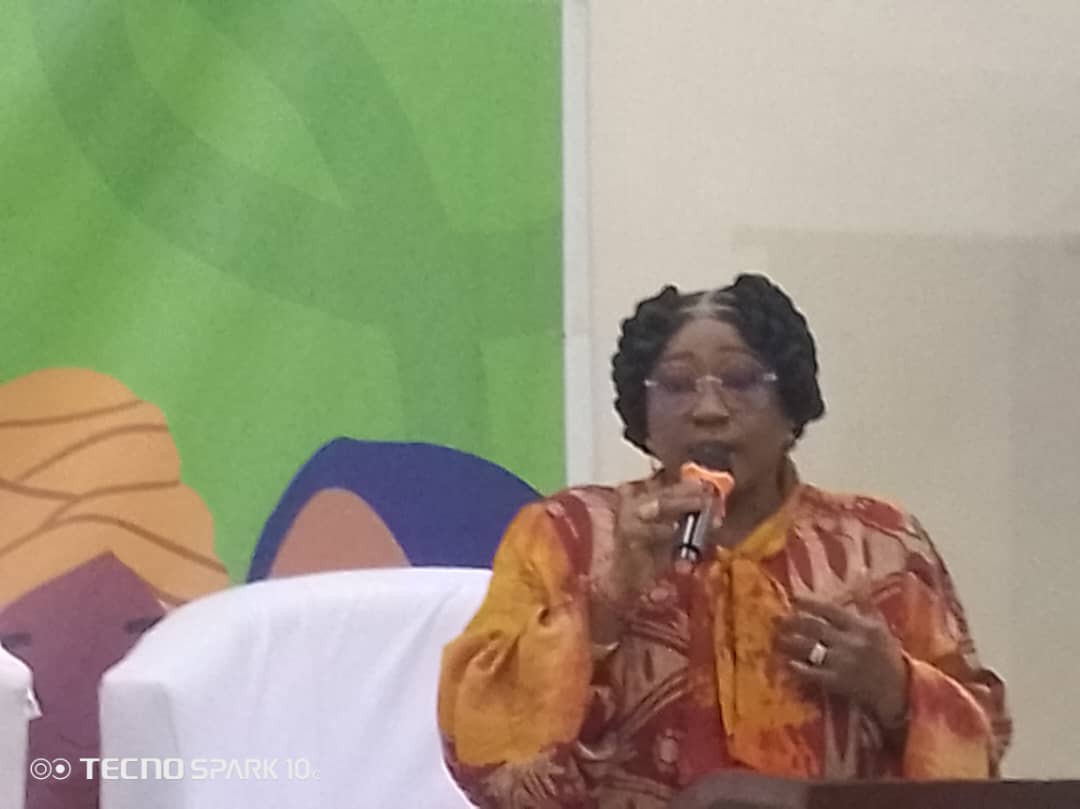
Stakeholders advocating for the rights of women have called for an urgent need for women to be more intentional in supporting their counterparts to break the country’s persistent glass ceiling towards actualizing the thirty five percent affirmation in politics.
At a forum in Abuja titled, “The Glass Ceiling and Women’s Leadership in Nigeria: Realities and Reflections, one of the stakeholders and Wife of former Governor of Ekiti State, Bisi Fayemi said women should be visible in politics for better economic and political development.
She stressed the need for women to be part of decision-making, especially on issues that concern them as critical stakeholders in moulding the younger generation.
Earlier, the Country Director, Heinrich Boll Stiftung, Sophie Knebel who noted that Nigeria has produced extraordinary women said despite these successes, the overall representation of women in political leadership remains low, and in recent years declined.
According to Knebel “women should support one another more intentionally to address the structural underrepresentation of women in leadership, Women running for leadership positions are often scrutinised more intensely, criticised more personally, and held to higher expectations.”

She stressed further that, “One truth stands out clearly: no woman breaks the glass ceiling alone. And if women do not intentionally support, mentor, and lift one another, the pace of progress will remain far too slow.”
Also, the Foundation’s Programme Manager, Ere Amachree, outlined findings from their research and revealed that some women who attain leadership roles do not mentor others and can even act as gatekeepers, reinforcing patriarchal norms.
She said, “Scholars link this situation to long-term stigmatization, marginalization, muted voices, and the restrictive belief that there is only ‘one seat at the table’ for women. As a result, some women become timid or withdrawn while others become overly aggressive or hostile.”
Amachree cautioned against the widespread narrative that ‘women do not support women,’ calling it a divisive myth that ignores deeper societal forces. However, she stressed the urgency of examining how women themselves shape the leadership landscape.
The event, convened by the Heinrich Boell Foundation, presented findings from a survey of established and emerging female leaders and it’s hoped that it would be a starting point for building stronger networks of support and co-creating actionable strategies for the future.
Florence Adewale, Edited By Grace Namiji


Post comments (0)