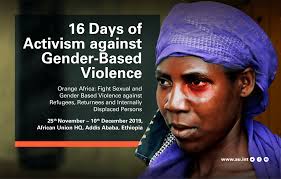
Looking Beyond 16 Days Of Activism
By Hadiza Abdulrahman
Each year, the global community unites to observe the 16 Days of Activism against Gender-Based Violence, commencing from November 25, the International Day to Eliminate Violence Against Women and Girls, to December 10, Human Rights Day.
This worldwide campaign serves as a compelling reminder of our shared responsibility to eliminate gender-based violence and foster a world where women and girls can live free from violence.
Emerging from the initiatives of the Women’s Global Leadership Institute in 1991, the 16 Days campaign has transformed into a global movement, rallying individuals, organizations, and governments worldwide to confront this widespread issue. Backing this initiative from civil society, the United Nations Secretary-General in 2008 inaugurated the Unite campaign to end violence against women by 2030.
Each year, the Unite Campaign centers on a particular theme, and for the current year, it is “Unite Invest to prevent violence against women and girls”.
The campaign calls on citizens to show how much they care about ending violence against women and girls by sharing the actions they are taking to create a world free from violence towards women.
As part of the activities commemorating the 16 Days of Activism in numerous countries, including Nigeria the usual tradition includes public demonstrations against GBV, press briefings, social media campaigns, workshops, and community engagements.
Advocates and international organizations are pushing for a shift in approach, emphasizing the importance of moving beyond conventional campaigns and advocacy.
The call is to humanize the issue, with the media urged to re-evaluate its role in order to achieve positive outcomes changing the narrative around myths and social norms that serves as barriers to gender equality and women’s empowerment”.
Expanding the discourse beyond the 16 Days of Activism is crucial, emphasizing the necessity to sustain efforts in addressing the abuse of women and girls.
The call is for a continuous movement that fosters environments where women and girls can consistently feel heard and be safeguarded from harm throughout all 365 days of the year.
Foremost, it is pertinent to address the root causes of what drives violence against women and girls like myths, social norms and gender inequality.
It is important for the media and other key stakeholders to promote the economic empowerment of women through its contents and programmes as proposed by the United Nations that economic empowerment opportunities can elevate women status within households and communities and help address GBV.
Women are frequently underrepresented in leadership and planning in matters that concern them.
The meaningful participation of women and girls, encompassing all backgrounds and at all levels, is crucial to preserving advancements in gender equality and fostering more inclusive societies.
Engaging men is paramount because change will not occur without their involvement in challenging deeply entrenched gender inequality ingrained in societal attitudes, beliefs, and behaviors, including stigmatization of survivors of gender-based violence.
By encouraging men to scrutinize harmful notions of masculinity, gender, and power, behavioral transformation becomes possible.
Governments at all levels should go beyond assenting to the Violence Against Persons Prohibition, VAPP ACT to ensuring its full implementation in the prosecution of sexual and gender-based violence cases.
There is also the need for the media and key stakeholders to rally behind the Minister of Women Affairs, Mrs Uju-Kennedy-Ohanenye for establishment of mobile courts to expedite the delivery of justice in addressing gender-based issues.
The current campaign, “Invest to Prevent Violence Against Women and Girls,” underscores the need for increased government aid, emphasizing that only 5% is currently allocated to addressing violence against women and girls, with less than 0.2% directed towards prevention.
Prevention stands as the sole means to halt violence before its occurrence.
This necessitates political commitment, the enactment of laws promoting gender equality, government should commit to budgeting to help prevent gender-based violence in the country.
Charity begins from home, thus, parents should make it a priority to enlighten their children or wards on the ills of the subject matter, the issue can also be inculcated in the school curriculum to stop GBV and ensure the safety of all women and girls.
Edited By Grace Namiji
 play_arrow


Commentary
Looking Beyond 16 Days Of Activism
todayDecember 24, 2023
Looking Beyond 16 Days Of Activism
By Hadiza Abdulrahman
Each year, the global community unites to observe the 16 Days of Activism against Gender-Based Violence, commencing from November 25, the International Day to Eliminate Violence Against Women and Girls, to December 10, Human Rights Day.
This worldwide campaign serves as a compelling reminder of our shared responsibility to eliminate gender-based violence and foster a world where women and girls can live free from violence.
Emerging from the initiatives of the Women’s Global Leadership Institute in 1991, the 16 Days campaign has transformed into a global movement, rallying individuals, organizations, and governments worldwide to confront this widespread issue. Backing this initiative from civil society, the United Nations Secretary-General in 2008 inaugurated the Unite campaign to end violence against women by 2030.
Each year, the Unite Campaign centers on a particular theme, and for the current year, it is “Unite Invest to prevent violence against women and girls”.
The campaign calls on citizens to show how much they care about ending violence against women and girls by sharing the actions they are taking to create a world free from violence towards women.
As part of the activities commemorating the 16 Days of Activism in numerous countries, including Nigeria the usual tradition includes public demonstrations against GBV, press briefings, social media campaigns, workshops, and community engagements.
Advocates and international organizations are pushing for a shift in approach, emphasizing the importance of moving beyond conventional campaigns and advocacy.
The call is to humanize the issue, with the media urged to re-evaluate its role in order to achieve positive outcomes changing the narrative around myths and social norms that serves as barriers to gender equality and women’s empowerment”.
Expanding the discourse beyond the 16 Days of Activism is crucial, emphasizing the necessity to sustain efforts in addressing the abuse of women and girls.
The call is for a continuous movement that fosters environments where women and girls can consistently feel heard and be safeguarded from harm throughout all 365 days of the year.
Foremost, it is pertinent to address the root causes of what drives violence against women and girls like myths, social norms and gender inequality.
It is important for the media and other key stakeholders to promote the economic empowerment of women through its contents and programmes as proposed by the United Nations that economic empowerment opportunities can elevate women status within households and communities and help address GBV.
Women are frequently underrepresented in leadership and planning in matters that concern them.
The meaningful participation of women and girls, encompassing all backgrounds and at all levels, is crucial to preserving advancements in gender equality and fostering more inclusive societies.
Engaging men is paramount because change will not occur without their involvement in challenging deeply entrenched gender inequality ingrained in societal attitudes, beliefs, and behaviors, including stigmatization of survivors of gender-based violence.
By encouraging men to scrutinize harmful notions of masculinity, gender, and power, behavioral transformation becomes possible.
Governments at all levels should go beyond assenting to the Violence Against Persons Prohibition, VAPP ACT to ensuring its full implementation in the prosecution of sexual and gender-based violence cases.
There is also the need for the media and key stakeholders to rally behind the Minister of Women Affairs, Mrs Uju-Kennedy-Ohanenye for establishment of mobile courts to expedite the delivery of justice in addressing gender-based issues.
The current campaign, “Invest to Prevent Violence Against Women and Girls,” underscores the need for increased government aid, emphasizing that only 5% is currently allocated to addressing violence against women and girls, with less than 0.2% directed towards prevention.
Prevention stands as the sole means to halt violence before its occurrence.
This necessitates political commitment, the enactment of laws promoting gender equality, government should commit to budgeting to help prevent gender-based violence in the country.
Charity begins from home, thus, parents should make it a priority to enlighten their children or wards on the ills of the subject matter, the issue can also be inculcated in the school curriculum to stop GBV and ensure the safety of all women and girls.
Edited By Grace Namiji
Written by: Salihu Tejumola
Looking Beyond 16 Days Of Activism
Similar posts
Business
APC Poised To Take Over Abia State- Deputy Speaker
todayOctober 6, 2025
Commentary
Tenant-Landlord Relationship In Nigeria: Rights And Responsibilities
todayAugust 29, 2025
Post comments (0)
Recent Video
Recent Posts