Listeners:
Top listeners:
-
 play_arrow
Kapital FM 92.9 The Station that Rocks!


Nigeria is intensifying its fight against tuberculosis (TB) as new data shows both progress in detection and the continued need for grassroots intervention.
Health authorities report that the country recorded about 458,000 newly detected TB cases, a figure that reflects improved nationwide efforts to find and place patients on treatment.
While this marks a significant step forward in closing the long-standing detection gap, experts say thousands of cases are still missed each year, allowing transmission to persist in communities.
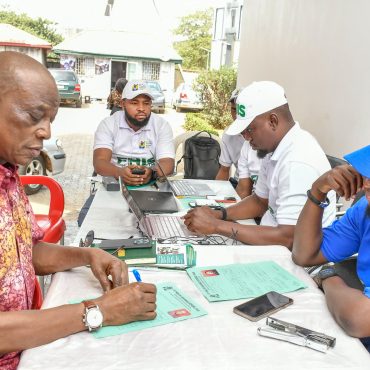
In the Federal Capital Territory, these efforts are taking a more targeted approach as an ongoing TB sensitisation campaign in schools across Abuja is already yielding results, with 28 cases detected among students and staff during screening exercises.
The initiative combines awareness creation with on-the-spot testing, aimed at identifying cases early and reducing the spread of the disease. READ ALSO; Nigeria Rallies Stakeholders, Media to End Tuberculosis by 2030
Public health officials say the school-based intervention underscores the importance of community-level strategies in tackling TB, by taking screening directly to places where people gather such as schools, places of worship ,motor parks and other places, where Health workers are able to reach individuals who might otherwise not seek medical attention.
They added that early detection remains critical, as TB is both preventable and curable when diagnosed promptly and treated properly. However, stigma, low awareness, and limited access to healthcare continue to hinder efforts in some areas.
The latest figures highlight a dual reality, while Nigeria is making measurable progress in detecting TB cases, sustained investment in awareness campaigns, community outreach, and healthcare access will be essential to fully control the disease.
Confirming this, the Institute of Human Virology Nigeria (IHVN) noted that over 20,000 private healthcare providers have been engaged 36 states and the Federal Capital Territory (FCT) to provide free TB testing and referral services.
The Senior Programme Manager, IHVN, Dr Temitope Adetiba, noted that the scale-up was part of a multi-year project (2024–2025), building on lessons from TB-COVID-19 interventions.
Adetiba said the scale-up is part of a multi-year project (2024–2025), building on lessons from previous collaborations with Uganda and TB-COVID-19 interventions.
“Between 2024 and 2025, the institute screened more than two million pregnant women for TB and HIV to protect mothers and newborns,”
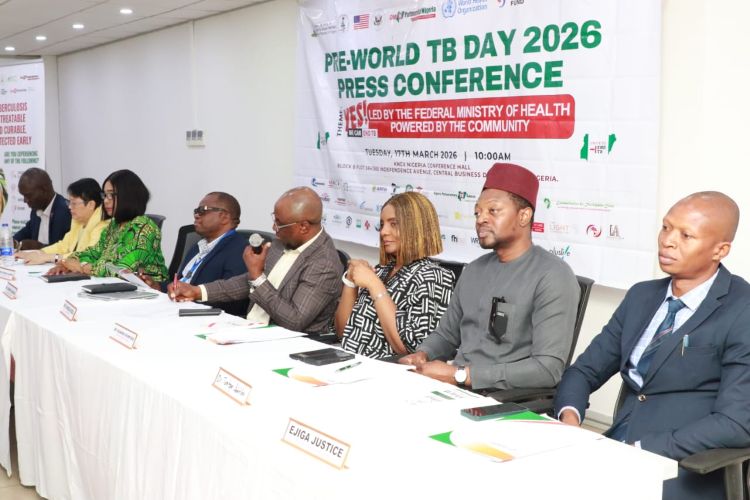
At a pre–World TB Day media briefing in Abuja, stakeholders warned that delayed diagnosis, stigma, and low awareness continue to drive the spread of the disease across communities.
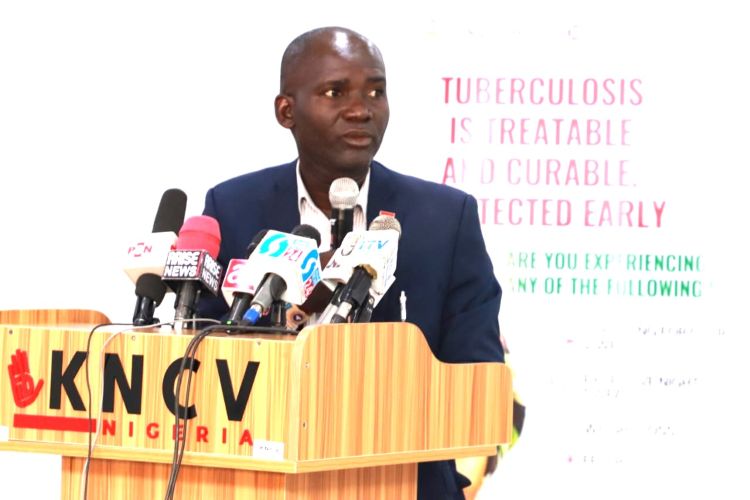
The Executive Secretary of the Stop TB Partnership Nigeria, Mayowa Joel, emphasized the urgency of scaling up early detection.
“We cannot end TB if people continue to present late, early diagnosis remains our strongest weapon, every missed case is a risk not just to the individual, but to the community.”
To buttress this point , a survivor in Ojuelele, Lagos, 56-year-old danfo driver Balogun Fatai knows firsthand what late detection can cost, as for him , what began as a mild cough soon became life-threatening.
“I thought it was just dust and smoke,” he recalls. “I kept treating myself, but I was getting weaker.” After months of suffering, an AI-supported chest X-ray confirmed TB, despite an earlier negative test. Today, fully recovered, “Now I tell everyone don’t wait. Go for the screening early.” Fatai has become an advocate at his motor park.
Also for 23-year-old Nehemiah Jordan Joseph in Akwa Ibom, delayed care nearly cost him his life, despite coughing up blood, he postponed seeking help.
Adding her voice, the Team Lead for Health Promotion, Disease Prevention and Control at WHO Nigeria, Dr. Mya Ngon, confirms the organisation would support millions of people who fall ill with TB every year and remembers the millions who die due to Tuberculosis.
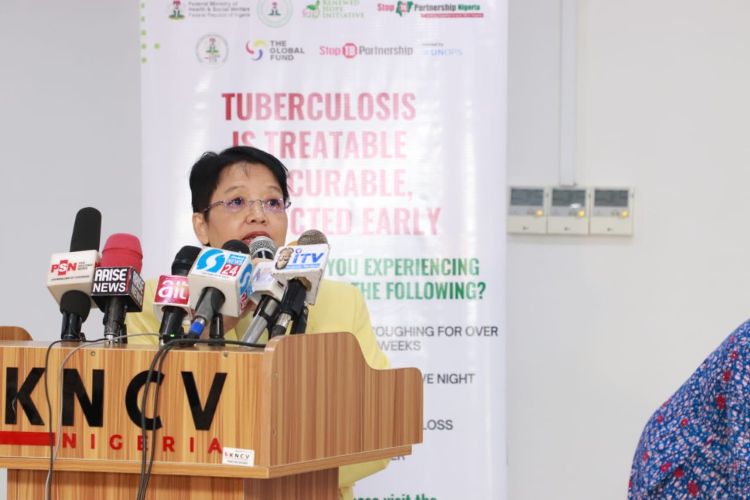
“The burden of TB in Nigeria is huge,”, in 2024 alone, an estimated 1.23 million people lost their lives to TB, and 10.7 million people fell ill, which means that every single day, more than 3,300 people die and nearly 30,000 people become sick with tuberculosis.”
She commended the efforts by frontline health workers, communities, civil society organizations, advocates, programme management staff at national and subnational levels, and donors in the fight to end TB and other diseases in the country.
Post comments (0)