Listeners:
Top listeners:
-
 play_arrow
Kapital FM 92.9 The Station that Rocks!


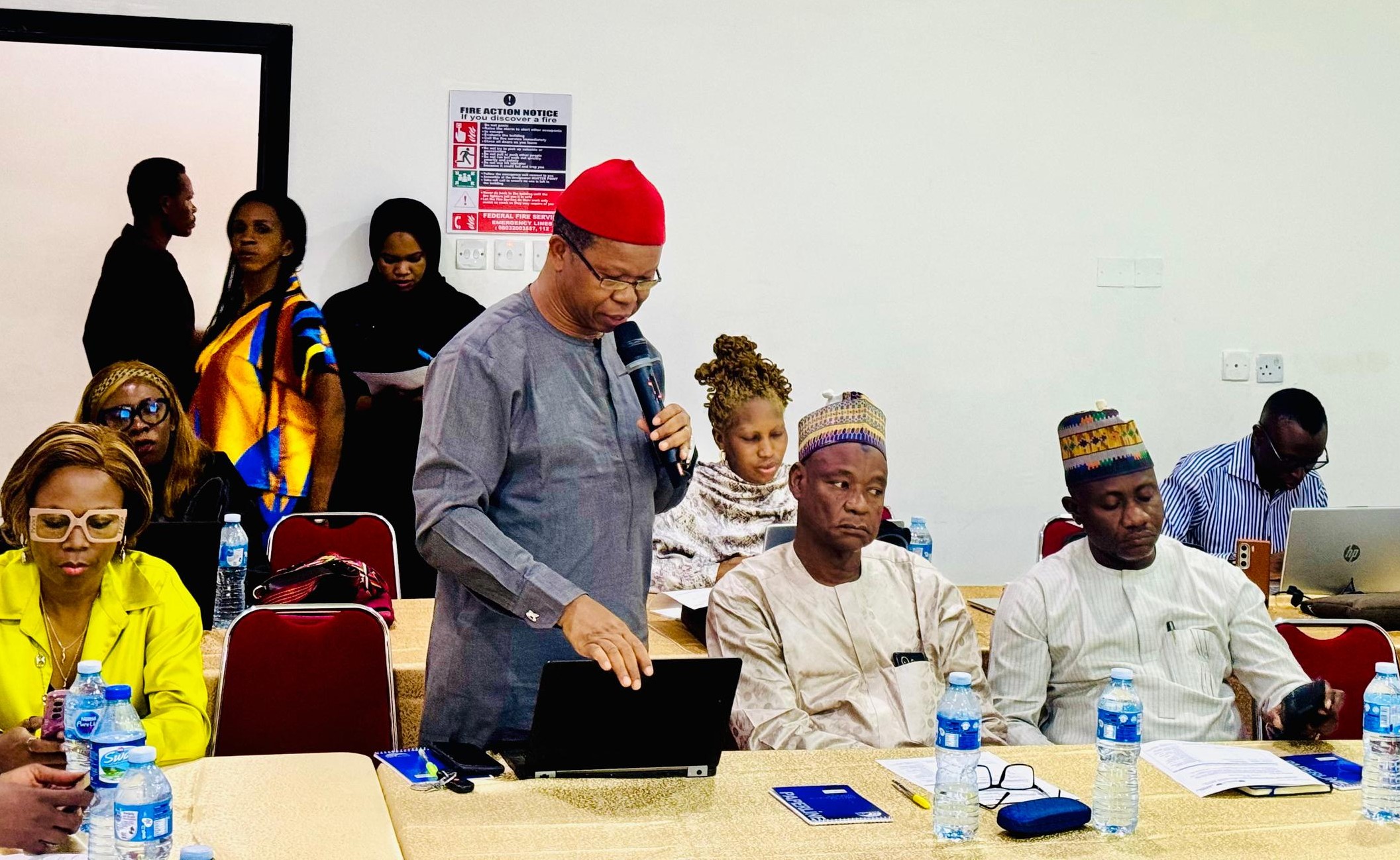
An estimated twenty-six percent of all adult deaths annually in Nigeria are caused by Non-Communicable Diseases, (NCD), with large proportion being premature deaths among young and middle-aged individuals.
The Vice President, Nigerian Cancer Society, Dr. Chi-kadibia Ukoma made this known in Abuja, National Orientation Workshop For Patients, Patient Support Organizations, and Media Practitioners On NCD Budget Advocacy.
 In a paper presentation titled ”Clinical Overview of NCDs: Trends, Lifestyle Exposures, Management Procedures, and Overview of Patient Advocacy,” Dr. Ukoma noted that less than one-third of all affected patients are diagnosed, and less than 20% of these are under any form of treatment
According to him, ”NCDs are often used to refer to a group of health conditions that are not mainly caused by an acute infection, result in long-term health consequences, and often create a need for long-term treatment and care.”
He noted that NCD’s are chronic diseases that are not transmissible directly from person to person, such as cardiovascular diseases (CVDs), diabetes, cancer, and chronic respiratory diseases.
”The common risk factors for hypertension, obesity, and NCDs include tobacco use, harmful consumption of alcohol, physical inactivity, and unhealthy diets,” he said.
He noted that NCDs are long-term diseases driven by a combination of lifestyle, environmental, biological, and social factors.
”The major types include cardiovascular diseases, diabetes, cancers, and chronic respiratory diseases, all of which contribute significantly to illness and death.”
The NCS Vice President, emphasized that lifestyle modification remains a cornerstone of NCD management even after diagnosis.
”Patients are often advised to adopt healthier diets, engage in regular physical activity, avoid tobacco and excessive alcohol, manage stress, and adhere strictly to prescribed medications,” he added.
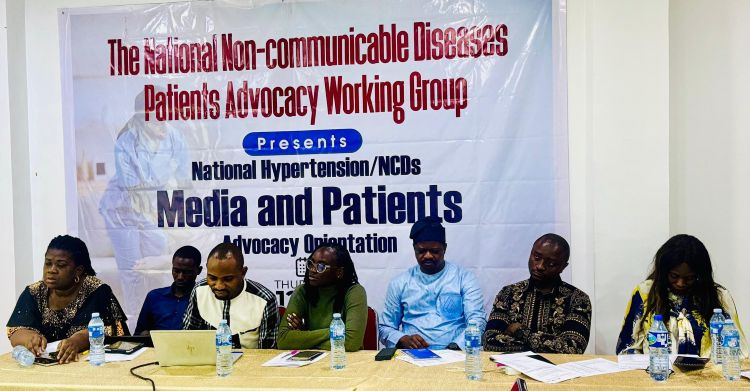 In a message, the Director and National Coordinator, Non-Communicable Diseases (NCDs), Federal Ministry of Health and Social Welfare, Dr. Alayo Sopekan identified some implementation gaps in NCD’s control in Nigeria.
According to him, these include weak state-level coordination, limited PHC capacity, medicine stock-outs, and weak surveillance systems.
He observed that limited domestic allocation, Basic Health Care Provision Fund, National Health Insurance Authority integration opportunities, Donor and partner support, as well as Sin taxes and innovative financing are some of the factors affecting landscape of funding NCDs in Nigeria.
In a paper presentation, Public Financial Management: Budget Cycle, Advocacy and Tracking Techniques, Mr. Sati Marcel from the Budget Office of the Federation said Public Financial Management (PFM) structure and functionality are essential.
”And the bedrock in strategizing and carrying out result-oriented advocacy, a better appreciation of the budget cycle and the timing is key. Always remember, it is not just proper planning, but proper timing matters,”


Post comments (0)