Listeners:
Top listeners:
-
 play_arrow
Kapital FM 92.9 The Station that Rocks!


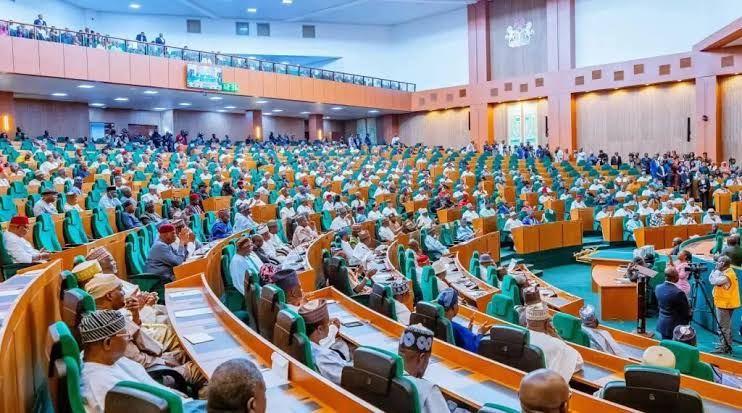
The Speaker of the House of Representatives, Dr Abbas Tajudeen, says that border insecurity in the country is driven not by ethnic or religious divisions but by organised criminal activity.
Speaking at the inauguration of the House Ad-hoc Committee on Border Security in Abuja, Dr Abbas reaffirmed the National Assembly’s commitment to ensuring that all Nigerians can live in peace and security, regardless of background.
Represented by the Minority Whip, Ali Isa JC, Dr Abbas said the committee would review and overhaul the country’s border security framework to tackle cross-border crimes, including arms smuggling, illicit trade, human trafficking and infiltration by criminal networks.
“The House remains unwavering in its commitment to strengthen border governance through effective legislation, oversight, and accountability. “Findings from this committee will guide policy reforms and possible amendments to existing laws such as the Immigration Act and the Customs and Excise Management Act.”
He called for improved coordination among security agencies, describing border protection as a “whole-of-government and whole-of-society approach” involving intelligence sharing and cooperation with local communities.
Dr Abbas also emphasised the need to prioritise the welfare and training of security personnel deployed at border posts.
Committee Chairman, Isa Anka, described the assignment as a national duty, noting that Nigeria’s borders, which cover more than 923,000 square kilometres and are shared with four neighbouring countries, remain largely porous.
“Despite over nine trillion naira spent on security in recent years, we are yet to achieve commensurate results,” Anka said. “Out of 1,978 entry points, about 1,894 remain unmanned — a disturbing statistic that exposes a major gap in our national defence.”
He cited inadequate funding, outdated surveillance technology, poor logistics, shortage of personnel, and challenging terrain as major obstacles, adding that inter-agency coordination must be strengthened.
Other officials, including the Permanent Secretary of the Ministry of Interior, Dr Magdalene Ajani, and the Chief of Army Staff, Lt Gen Waidi Shaibu who was represented by Maj Gen Aliyu Idris stressed the need for legal, operational and technological reforms.
Comptroller General of the Nigeria Immigration Service, Kemi Nandap, urged stronger regional cooperation and investment in border infrastructure and personnel welfare.
“Border security today demands more than physical presence. It requires technology, training and cooperation at national and regional levels,” she said, pledging full support for the committee’s work on a sustainable national border governance framework.
Oduyemi Odumade, Edited By Grace Namiji


Post comments (0)