Listeners:
Top listeners:
-
 play_arrow
Kapital FM 92.9 The Station that Rocks!


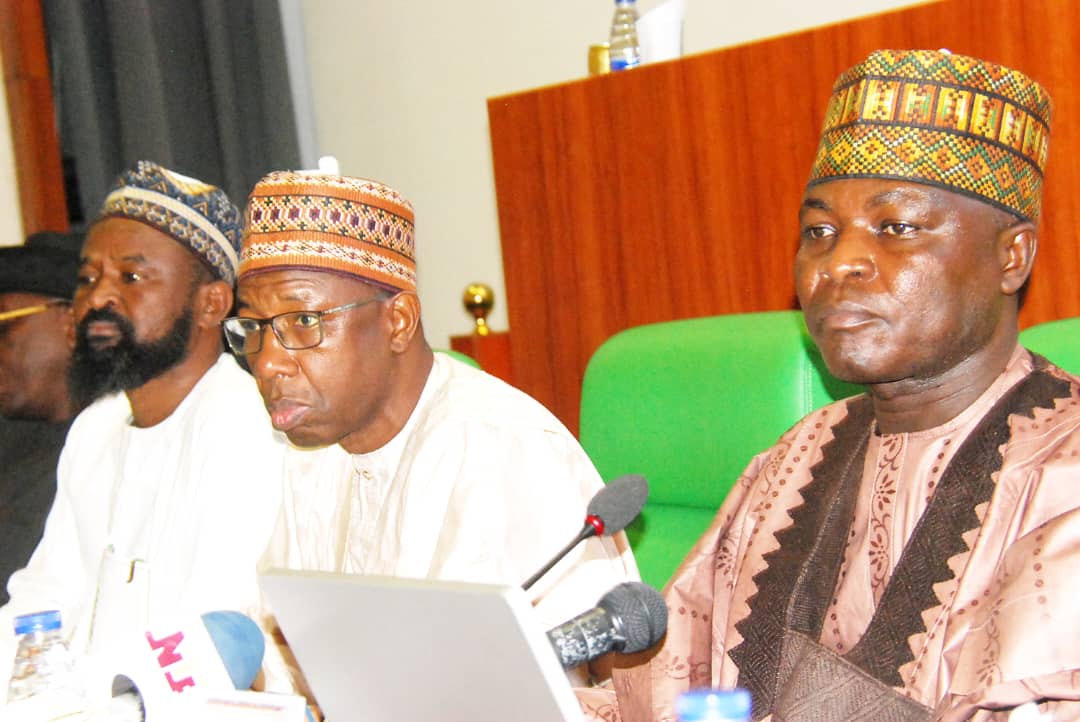
The House of Representatives Ad-Hoc Committee on the Implementation of the Compressed Natural Gas, CNG Policy, has warned that Nigeria’s Compressed Natural Gas (CNG) policy may not achieve its goals without increased transparency, stronger regulatory oversight, and equitable access across the country.
The Chairman of the ad-hoc committee, Ahmed Jaha, gave the warning at the investigative hearing on the implementation of fhe CNG Policy in Nigeria.
He described the initiative as bold in ambition but hindered by unresolved safety, affordability, and infrastructure issues more than a year after its launch.
“While the policy was envisioned as transformative, especially for low-income earners and commercial drivers, its implementation has raised serious concerns about safety, access, affordability, and public awareness,” Jaha said.
“The CNG policy was introduced in May 2023 under the Presidential Initiative on Compressed Natural Gas (Pi-CNG) as part of the government’s Renewed Hope Agenda, following the removal of fuel subsidies.
“The initiative aims to reduce transport costs, cushion economic shocks, and support the transition to cleaner energy.
He explained that the committee is tasked with investigating the safety, viability, and long-term sustainability of the CNG programme, alongside the geographic distribution of conversion centers and whether the project aligns with international best practices and Nigeria’s regulatory standards.
Lawmakers are also reviewing the adequacy of technical training, safety protocols, import duty waivers, environmental assessments, and the programme’s potential to create jobs and lower emissions.
Jaha emphasized that the probe is not a criminal investigation but a legislative effort to ensure the policy delivers measurable benefits. “We must ensure this policy works for the Nigerian people—efficiently, equitably, and sustainably,” he said.
The committee has requested detailed submissions from key ministries and regulatory bodies, including the Ministries of Petroleum (Gas), Finance, Transportation, and Environment; agencies such as the NMDPRA, NUPRC, FRSC, SON, and Customs; and transparency institutions like NEITI and the National Bureau of Statistics.
Documents demanded include the official CNG policy, safety procedures, contractor lists, environmental reports, and investment data.
While upstream oil companies clarified they are not directly involved in CNG infrastructure, Jaha called on all players, upstream, midstream, and downstream to work together on a roadmap for expanding local CNG production and developing clean energy alternatives.
“If this policy is falling short, this hearing must uncover why and recommend how to fix it,” he said. “If progress is being made, we will document and validate those gains.”
Oduyemi Odumade, Edited By Grace Namiji


Post comments (0)