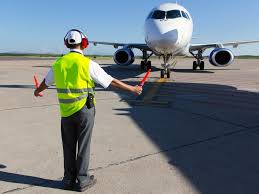
Need For Safety Measures In Aviation Industry
In recent times, Nigeria’s aviation sector has faced a series of occurrences that have raised concerns about air travel safety in the country.
These events, ranging from crash landings to tire bursts, underscore the pressing need for stringent safety protocols and regulatory oversight.
On January 28, this year, a Max Air Boeing 737- 400, experienced a harrowing incident upon landing at Mallam Aminu Kano International Airport, Kano.
The aircraft, arriving from Lagos with 53 passengers and six crew members, suffered a front tyre burst during touchdown.
This incidence prompted an emergency evacuation of passengers.
Fortunately, all occupants were safely evacuated without injuries.
The event is not isolated. In May 2023, another Max Air Boeing plane encountered a similar issue at Nnamdi Azikiwe International Airport, Abuja.
The aircraft suffered multiple tire bursts upon landing, but with emergency responses ensured passenger safety.
Furthermore, on the 24th of last month, a United Airlines flight from Lagos to Washington D.C. faced a severe in-flight emergency.
Approximately 93 minutes into the journey, the plane experienced unexpected movements, causing the aircraft to plunge mid-air.
This sudden descent resulted in injuries to 31 passengers and seven crew members, with six individuals sustaining serious injuries.
The flight made an emergency return to Lagos, where the injured received medical attention.
These incidents highlight systemic issues within Nigeria’s aviation industry.
Factors such as inadequate maintenance, regulatory lapses and potential oversight deficiencies allegedly contribute to these safety challenges.
The Nigerian Civil Aviation Authority (NCAA) and other relevant bodies must intensify efforts to enforce compliance with international safety standards.
Addressing these mishaps require a multi-faceted approach involving regulatory authorities, airlines and other stakeholders.
The Nigerian Civil Aviation Authority, NCAA should also enforce stricter compliance with international safety standards, including frequent safety audits.
Regular inspections of aircraft maintenance records should be conducted to ensure airlines adhere to best practices.
Airlines with repeated safety incidents should face sanctions until they meet strict safety requirements.
Airlines must prioritize routine maintenance and invest in advanced diagnostic tools to detect potential issues before they escalate.
Independent third-party inspections should be mandatory for older aircrafts to ensure airworthiness.
The government should support airlines in accessing funding for fleet upgrades, reducing reliance on aging aircrafts.
Another aspect that should be taken seriously is the need for enhanced pilot training and crew preparedness.
Mandatory periodic training on handling emergencies, including crash landings and tyre bursts, should be enforced.
Simulated crisis drills should be conducted to ensure pilots and the cabin crew are well-prepared for real-life emergencies.
The Federal Government and airlines should collaborate to improve working conditions and mental health support for pilots to reduce human errors caused by fatigue.
Also, Airport infrastructure must be strengthened.
Runways should also be regularly inspected and upgraded.
Modern navigation and weather monitoring systems should be installed at all major airports across the country.
The Nigerian Safety Investigation Bureau, NSIB should be fully independent and transparent in its investigations.
Findings from investigations should not only be publicly released but recommendations must be adequately enforced.
Airlines found guilty of negligence should face strict penalties.
More investment in research and development of aviation safety technology should be encouraged.
The collaboration with international aviation bodies like the International Civil Aviation Organization, ICAO and the Federal Aviation Administration, FAA should be strengthened.
Transparency in airline safety records should be publicly accessible, allowing passengers to make informed choices.
Civil society organizations and aviation watchdogs, especially the media should play an active role in monitoring airline compliance with safety regulations.
While air travel remains one of the safest modes of transportation globally, the recent spate of incidents in Nigeria serves as a stark reminder of the continuous need for vigilance.
By Sandra Udeike, Edited By Grace Namiji
 play_arrow


Commentary
Need For Safety Measures In Aviation Industry
todayMarch 4, 2025
Need For Safety Measures In Aviation Industry
In recent times, Nigeria’s aviation sector has faced a series of occurrences that have raised concerns about air travel safety in the country.
These events, ranging from crash landings to tire bursts, underscore the pressing need for stringent safety protocols and regulatory oversight.
On January 28, this year, a Max Air Boeing 737- 400, experienced a harrowing incident upon landing at Mallam Aminu Kano International Airport, Kano.
The aircraft, arriving from Lagos with 53 passengers and six crew members, suffered a front tyre burst during touchdown.
This incidence prompted an emergency evacuation of passengers.
Fortunately, all occupants were safely evacuated without injuries.
The event is not isolated. In May 2023, another Max Air Boeing plane encountered a similar issue at Nnamdi Azikiwe International Airport, Abuja.
The aircraft suffered multiple tire bursts upon landing, but with emergency responses ensured passenger safety.
Furthermore, on the 24th of last month, a United Airlines flight from Lagos to Washington D.C. faced a severe in-flight emergency.
Approximately 93 minutes into the journey, the plane experienced unexpected movements, causing the aircraft to plunge mid-air.
This sudden descent resulted in injuries to 31 passengers and seven crew members, with six individuals sustaining serious injuries.
The flight made an emergency return to Lagos, where the injured received medical attention.
These incidents highlight systemic issues within Nigeria’s aviation industry.
Factors such as inadequate maintenance, regulatory lapses and potential oversight deficiencies allegedly contribute to these safety challenges.
The Nigerian Civil Aviation Authority (NCAA) and other relevant bodies must intensify efforts to enforce compliance with international safety standards.
Addressing these mishaps require a multi-faceted approach involving regulatory authorities, airlines and other stakeholders.
The Nigerian Civil Aviation Authority, NCAA should also enforce stricter compliance with international safety standards, including frequent safety audits.
Regular inspections of aircraft maintenance records should be conducted to ensure airlines adhere to best practices.
Airlines with repeated safety incidents should face sanctions until they meet strict safety requirements.
Airlines must prioritize routine maintenance and invest in advanced diagnostic tools to detect potential issues before they escalate.
Independent third-party inspections should be mandatory for older aircrafts to ensure airworthiness.
The government should support airlines in accessing funding for fleet upgrades, reducing reliance on aging aircrafts.
Another aspect that should be taken seriously is the need for enhanced pilot training and crew preparedness.
Mandatory periodic training on handling emergencies, including crash landings and tyre bursts, should be enforced.
Simulated crisis drills should be conducted to ensure pilots and the cabin crew are well-prepared for real-life emergencies.
The Federal Government and airlines should collaborate to improve working conditions and mental health support for pilots to reduce human errors caused by fatigue.
Also, Airport infrastructure must be strengthened.
Runways should also be regularly inspected and upgraded.
Modern navigation and weather monitoring systems should be installed at all major airports across the country.
The Nigerian Safety Investigation Bureau, NSIB should be fully independent and transparent in its investigations.
Findings from investigations should not only be publicly released but recommendations must be adequately enforced.
Airlines found guilty of negligence should face strict penalties.
More investment in research and development of aviation safety technology should be encouraged.
The collaboration with international aviation bodies like the International Civil Aviation Organization, ICAO and the Federal Aviation Administration, FAA should be strengthened.
Transparency in airline safety records should be publicly accessible, allowing passengers to make informed choices.
Civil society organizations and aviation watchdogs, especially the media should play an active role in monitoring airline compliance with safety regulations.
While air travel remains one of the safest modes of transportation globally, the recent spate of incidents in Nigeria serves as a stark reminder of the continuous need for vigilance.
By Sandra Udeike, Edited By Grace Namiji
Written by: Salihu Tejumola
Need For Safety Measures In Aviation Industry
Similar posts
Business
APC Poised To Take Over Abia State- Deputy Speaker
todayOctober 6, 2025
Commentary
Tenant-Landlord Relationship In Nigeria: Rights And Responsibilities
todayAugust 29, 2025
Post comments (0)
Recent Video
Recent Posts