Listeners:
Top listeners:
-
 play_arrow
Kapital FM 92.9 The Station that Rocks!


Non-Governmental Organizations (NGOs) in Nigeria play a crucial role in addressing social issues, but they face numerous challenges that hinder their effectiveness.
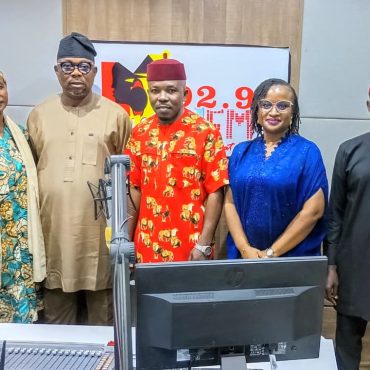
The Programme Manager of Family Centered Initiative For Challenged Persons, FACICP, Mrs Eno Sandra Uyebi stated this in an interview with Kapital FM in Abuja.
She listed inadequate domestic funding, poor governance, and capacity building as some of the challenges NGOs encounter in carrying out their humanitarian services.
Mrs Uyebi explained that NGOs were increasing in Nigeria, leading to competition and making it difficult to get enough funding locally or internationally as well as over reliance on foreign donors, that are not easy to comeby.
She expressed concern that the reliance of Nigeria based NGOs on foreign donors often makes the NGO owners subservient to the dictates of the Donors on what and how the funds should be spent.
“NGOs often rely heavily on foreign donors. However, this comes with its own set of difficulties, as international donors impose strict grant requirements, complex application processes, and rigorous reporting standards that can be overwhelming, especially for smaller or newly established NGOs”.
“Many foreign donors dictate how their funds should be used, which can sometimes conflict with the actual needs of the local communities.”
“We have limited domestic funding whereby Corporations and wealthy individuals don’t contribute much to NGOs in Nigeria. Competition for fund is another one. NGO in Nigeria is increasing now, making it harder for new or smaller organizations to get funding.”
Mrs Uyebi said greed, poor governance structures among the NGO members also poses a significant challenge, especially in circumstances where the NGO founders refused to allow board of directors have a say on how the Organization should be run.
“In an NGO setting, governance structure is so poor. Atimes, some NGO founders don’t want to give up power to the board, which can lead to lack of transparency and accountability.Corruption is not left out there.This reluctance to share decision-making power can stifle growth and effectiveness, Uyebi said.”
She however frowned at some individuals that established NGOs solely for their personal gains, rather than genuinely serving their communities to achieve the desired goal of making the society better for all, particularly the needy and vulnerable groups.
“Using them as a means to build power and prestige rather than to genuinely serve communities, erodes public trust and discourages both local and international donors from investing in NGO-led initiatives.”
Giving her recommendations, Mrs Uyebi advocated that Nigerian- based-NGOs should prioritize capacity building of their staff, invest in technology, and develop clear strategic plans.
Mrs Uyebi also emphasized the need to strengthen governance structures, improve transparency, and enhance financial management practices towards building credibility and attracting more funding both locally and internationally.
Remi Johnson, Edited By Grace Namiji

Post comments (0)