Raisng Awareness On Dangers Of Glaucoma
Glaucoma is one of the eye diseases that cause irreversible damage to the optic nerve, leading to vision loss and, in severe cases, blindness.
Glaucoma is not a single disease but a group of conditions that affect the optic nerve, which connects the eye to the brain.
The optic nerve transmits visual information from the retina to the brain, which enables a person to see, hence when the nerve is damaged, it disrupts the transmission of visual signals, leading to vision impairment.
The most common form of glaucoma is primary open-angle glaucoma, which is characterized by a gradual increase in intraocular pressure due to improper drainage of aqueous humour, the fluid in the eye.
Another type is the angle-closure glaucoma, which occurs when the drainage angle between the iris and cornea becomes blocked, causing a sudden rise in eye pressure.
This form can lead to rapid vision loss and requires immediate medical attention.
The Risk Factors for Glaucoma are age, family history, medical conditions, eye injuries, and Prolonged Corticosteroid Use.
Glaucoma is also called the “silent thief of sight” because it does not have early symptoms.
The vision loss begins when the peripheral vision gradually progresses to the center.
By the time the patient notices changes in vision, significant and irreversible damage may already have occurred.
According to the World Health Organization (WHO), glaucoma is the second leading cause of blindness across the world.
The most alarming aspect of glaucoma is that, the disease progresses without noticeable symptoms until significant vision loss occurs.
In Nigeria, late presentation of glaucoma cases is a significant challenge, as many individuals seek medical attention only after substantial vision loss has occurred and by then, the damage can not be reversed.
This highlights the urgent need for increased awareness and early detection.
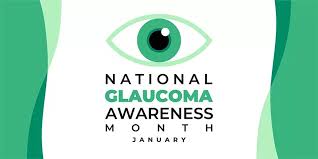
January is National Glaucoma Awareness Month, a time dedicated to spreading knowledge about the condition and dangers of Glaucoma.
Although there is no cure for glaucoma, early detection and treatment can prevent or slow down vision loss.
Some of the key strategies that citizens can adopt to reduce glaucoma is regular checking of the eye, especially for individuals that are over 40 years.
Nigerians should know their family history for early screening and monitoring.
Citizens should always wear protective eyewear during sports or activities that pose a risk of eye injury to reduce the chance of secondary glaucoma.
Nigerians should always check their health conditions such as diabetes and hypertension, which is capable of inducing the risk of developing glaucoma-related complications.
People diagnosed with glaucoma should adhere to the prescribed medications and follow-up appointments with an ophthalmologists.
Eye drops that lower intraocular pressure are the first line of treatment, while laser therapy or surgery may be necessary in advanced cases.
Raising awareness about glaucoma is essential for reducing its impact on individuals and communities.
Many people are not even aware they have the disease until significant vision loss occurs.
The National Glaucoma Awareness Month should serve as a reminder to encourage Nigerians to prioritize their eye health.
Healthcare professionals and the media should also play a pivotal role by educating patients and Nigerians on the importance of regular eye checks.
There is also the need for public health campaigns and community outreach programs.
Sharing personal stories of individuals living with glaucoma can also foster understanding and inspire stakeholders to take action.
The fight against glaucoma in Nigeria requires a concerted effort from all stakeholders, including the government, healthcare professionals, NGOs, and the general public.
By prioritizing awareness, early detection, and accessible treatment, Nigeria can reduce the burden of glaucoma and prevent countless individuals from losing their sight.
By Dr. Amiejayo Ume, Edited By Grace Namiji
 play_arrow


Commentary
Raisng Awareness On Dangers Of Glaucoma
todayJanuary 27, 2025
Raisng Awareness On Dangers Of Glaucoma
Glaucoma is one of the eye diseases that cause irreversible damage to the optic nerve, leading to vision loss and, in severe cases, blindness.
Glaucoma is not a single disease but a group of conditions that affect the optic nerve, which connects the eye to the brain.
The optic nerve transmits visual information from the retina to the brain, which enables a person to see, hence when the nerve is damaged, it disrupts the transmission of visual signals, leading to vision impairment.
The most common form of glaucoma is primary open-angle glaucoma, which is characterized by a gradual increase in intraocular pressure due to improper drainage of aqueous humour, the fluid in the eye.
Another type is the angle-closure glaucoma, which occurs when the drainage angle between the iris and cornea becomes blocked, causing a sudden rise in eye pressure.
This form can lead to rapid vision loss and requires immediate medical attention.
The Risk Factors for Glaucoma are age, family history, medical conditions, eye injuries, and Prolonged Corticosteroid Use.
Glaucoma is also called the “silent thief of sight” because it does not have early symptoms.
The vision loss begins when the peripheral vision gradually progresses to the center.
By the time the patient notices changes in vision, significant and irreversible damage may already have occurred.
According to the World Health Organization (WHO), glaucoma is the second leading cause of blindness across the world.
The most alarming aspect of glaucoma is that, the disease progresses without noticeable symptoms until significant vision loss occurs.
In Nigeria, late presentation of glaucoma cases is a significant challenge, as many individuals seek medical attention only after substantial vision loss has occurred and by then, the damage can not be reversed.
This highlights the urgent need for increased awareness and early detection.
January is National Glaucoma Awareness Month, a time dedicated to spreading knowledge about the condition and dangers of Glaucoma.
Although there is no cure for glaucoma, early detection and treatment can prevent or slow down vision loss.
Some of the key strategies that citizens can adopt to reduce glaucoma is regular checking of the eye, especially for individuals that are over 40 years.
Nigerians should know their family history for early screening and monitoring.
Citizens should always wear protective eyewear during sports or activities that pose a risk of eye injury to reduce the chance of secondary glaucoma.
Nigerians should always check their health conditions such as diabetes and hypertension, which is capable of inducing the risk of developing glaucoma-related complications.
People diagnosed with glaucoma should adhere to the prescribed medications and follow-up appointments with an ophthalmologists.
Eye drops that lower intraocular pressure are the first line of treatment, while laser therapy or surgery may be necessary in advanced cases.
Raising awareness about glaucoma is essential for reducing its impact on individuals and communities.
Many people are not even aware they have the disease until significant vision loss occurs.
The National Glaucoma Awareness Month should serve as a reminder to encourage Nigerians to prioritize their eye health.
Healthcare professionals and the media should also play a pivotal role by educating patients and Nigerians on the importance of regular eye checks.
There is also the need for public health campaigns and community outreach programs.
Sharing personal stories of individuals living with glaucoma can also foster understanding and inspire stakeholders to take action.
The fight against glaucoma in Nigeria requires a concerted effort from all stakeholders, including the government, healthcare professionals, NGOs, and the general public.
By prioritizing awareness, early detection, and accessible treatment, Nigeria can reduce the burden of glaucoma and prevent countless individuals from losing their sight.
By Dr. Amiejayo Ume, Edited By Grace Namiji
Written by: Salihu Tejumola
Raisng Awareness On Dangers Of Glaucoma
Similar posts
Business
APC Poised To Take Over Abia State- Deputy Speaker
todayOctober 6, 2025
Commentary
Tenant-Landlord Relationship In Nigeria: Rights And Responsibilities
todayAugust 29, 2025
Post comments (0)
Recent Video
Recent Posts