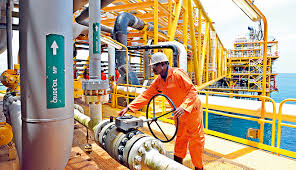
Enhancing National Development Through Oil, Gas Free Zone
By Abubakar Muhammad, Oil And Gas Expert
The history of economic zones dates back to the 1970s when China made a paradigm shift in its economic policy to the extent that the country reformed and opened up its economy.
The economic zones initiative was designed to make China competitive against industrialized nations of the West and the rising regional power like Japan, Singapore, Korea, Taiwan and Hong Kong.
With the creation of more Oil and Gas Free Zones, these countries have grown their economy to become super powers in the world.
In Nigeria, as a key policy instrument in the realisation of the industrialisation agenda, the federal government in 1996, established the special economic zones scheme which is the Oil and Gas Free Zones Authority.
The idea was to improve the investment climate by providing a competitive incentive regime, streamlining administrative procedures and offering world-class infrastructure to attract capital investment for industrial development.
Unfortunately, the idea has not been able to achieve its objective to the fullest.
It is worthy of note that Nigeria’s oil and gas production remains an important component of the economy.
It has historically accounted for 10 percent of the nation’s GDP with over 80 percent of total export earnings. As one of the largest oil-producing countries in Africa, Nigeria was expected to witness an increase in its economic earnings.
The first oil and gas export free zone in the country was the Onne Oil and Gas Free Zone in Rivers State.
Subsequently other oil and gas free zones were established as public-private partnerships between the Federal Government of Nigeria and private sector operators.
But the potential windfall has mostly been lost because of increasing import of energy products at higher prices.
This is why, the sector needs to facilitate Public-Private partnership investment in the nation’s oil and gas free zones as a vehicle for promoting accelerated growth and sustainable development.
The operation of the free trade zones is to stimulate Foreign Direct Investments; Domestic Direct Investments; employment generation; infrastructure development; technology transfer; skill transfer to boost the nation’s economy.
The Oil and Gas Free Zones which has grown to complement government’s efforts by enhancing job creation, have significantly contributed to the country’s GDP through the multiplier effect of its activities.
According to the Managing Director and Chief Executive Officer of Oil and Gas Free Zones Authority Senator Tijjani Yahaya Kaura, Since its inception to date, agency has attracted over 30 billion dollars of Foreign Direct Investment into the country.
It has also created over 50,000 direct jobs and an estimated 160,000 indirect jobs.
When the sector is given the desired support by various stakeholders, it will also increase consistent inflow of Foreign Direct Investments, foreign exchange earnings and transfer of technology.
Unfortunately, some of the free trade zones are not active while the active ones operate sub-optimally are having challenges.
The challenges include multiple taxations, official bureaucracy, deficient infrastructure, and inadequate government support.
The current legislative Act that established the Oil and Gas Free Zones Authority should be reviewed to meet the current realities in the sector to accelerate economic growth and industrial development of Nigeria.
The Oil and Gas Free Zones under Senator Tijjani Yahaya Kaura has no doubt helped to deepen the economy of Nigeria by providing specialized regulatory supervision and services, thereby repositioning the country as a leading player in oil and gas activities in Africa and have attracted major International Oil Companies that are using the free zones as hubs for their business transactions to cover the entire Gulf of Guinea to Southern Africa.
Interestingly, President Bola Ahmed Tinubu, in his inaugural speech, has promised local and foreign investors to review all their complaints about multiple taxations and various anti-investment inhibitions.
He also assured investors and foreign businesses of the repatriation of their “hard-earned dividends and profits in Nigeria.”
When there is effective collaboration with state governments on the creation of more Oil and Gas Free Zones, it will contribute in reducing Federal Government ‘s personnel and overhead costs thereby enhancing national development.
Edited By Grace Namiji
 play_arrow


Commentary
Enhancing National Development Through Oil, Gas Free Zones
todayOctober 21, 2023
Enhancing National Development Through Oil, Gas Free Zone
By Abubakar Muhammad, Oil And Gas Expert
The history of economic zones dates back to the 1970s when China made a paradigm shift in its economic policy to the extent that the country reformed and opened up its economy.
The economic zones initiative was designed to make China competitive against industrialized nations of the West and the rising regional power like Japan, Singapore, Korea, Taiwan and Hong Kong.
With the creation of more Oil and Gas Free Zones, these countries have grown their economy to become super powers in the world.
In Nigeria, as a key policy instrument in the realisation of the industrialisation agenda, the federal government in 1996, established the special economic zones scheme which is the Oil and Gas Free Zones Authority.
The idea was to improve the investment climate by providing a competitive incentive regime, streamlining administrative procedures and offering world-class infrastructure to attract capital investment for industrial development.
Unfortunately, the idea has not been able to achieve its objective to the fullest.
It is worthy of note that Nigeria’s oil and gas production remains an important component of the economy.
It has historically accounted for 10 percent of the nation’s GDP with over 80 percent of total export earnings. As one of the largest oil-producing countries in Africa, Nigeria was expected to witness an increase in its economic earnings.
The first oil and gas export free zone in the country was the Onne Oil and Gas Free Zone in Rivers State.
Subsequently other oil and gas free zones were established as public-private partnerships between the Federal Government of Nigeria and private sector operators.
But the potential windfall has mostly been lost because of increasing import of energy products at higher prices.
This is why, the sector needs to facilitate Public-Private partnership investment in the nation’s oil and gas free zones as a vehicle for promoting accelerated growth and sustainable development.
The operation of the free trade zones is to stimulate Foreign Direct Investments; Domestic Direct Investments; employment generation; infrastructure development; technology transfer; skill transfer to boost the nation’s economy.
The Oil and Gas Free Zones which has grown to complement government’s efforts by enhancing job creation, have significantly contributed to the country’s GDP through the multiplier effect of its activities.
According to the Managing Director and Chief Executive Officer of Oil and Gas Free Zones Authority Senator Tijjani Yahaya Kaura, Since its inception to date, agency has attracted over 30 billion dollars of Foreign Direct Investment into the country.
It has also created over 50,000 direct jobs and an estimated 160,000 indirect jobs.
When the sector is given the desired support by various stakeholders, it will also increase consistent inflow of Foreign Direct Investments, foreign exchange earnings and transfer of technology.
Unfortunately, some of the free trade zones are not active while the active ones operate sub-optimally are having challenges.
The challenges include multiple taxations, official bureaucracy, deficient infrastructure, and inadequate government support.
The current legislative Act that established the Oil and Gas Free Zones Authority should be reviewed to meet the current realities in the sector to accelerate economic growth and industrial development of Nigeria.
The Oil and Gas Free Zones under Senator Tijjani Yahaya Kaura has no doubt helped to deepen the economy of Nigeria by providing specialized regulatory supervision and services, thereby repositioning the country as a leading player in oil and gas activities in Africa and have attracted major International Oil Companies that are using the free zones as hubs for their business transactions to cover the entire Gulf of Guinea to Southern Africa.
Interestingly, President Bola Ahmed Tinubu, in his inaugural speech, has promised local and foreign investors to review all their complaints about multiple taxations and various anti-investment inhibitions.
He also assured investors and foreign businesses of the repatriation of their “hard-earned dividends and profits in Nigeria.”
When there is effective collaboration with state governments on the creation of more Oil and Gas Free Zones, it will contribute in reducing Federal Government ‘s personnel and overhead costs thereby enhancing national development.
Edited By Grace Namiji
Written by: Salihu Tejumola
Enhancing National Development Through Oil Gas Free Zones
Similar posts
Business
APC Poised To Take Over Abia State- Deputy Speaker
todayOctober 6, 2025
Commentary
Tenant-Landlord Relationship In Nigeria: Rights And Responsibilities
todayAugust 29, 2025
Post comments (0)
Recent Video
Recent Posts