Listeners:
Top listeners:
-
 play_arrow
Kapital FM 92.9 The Station that Rocks!


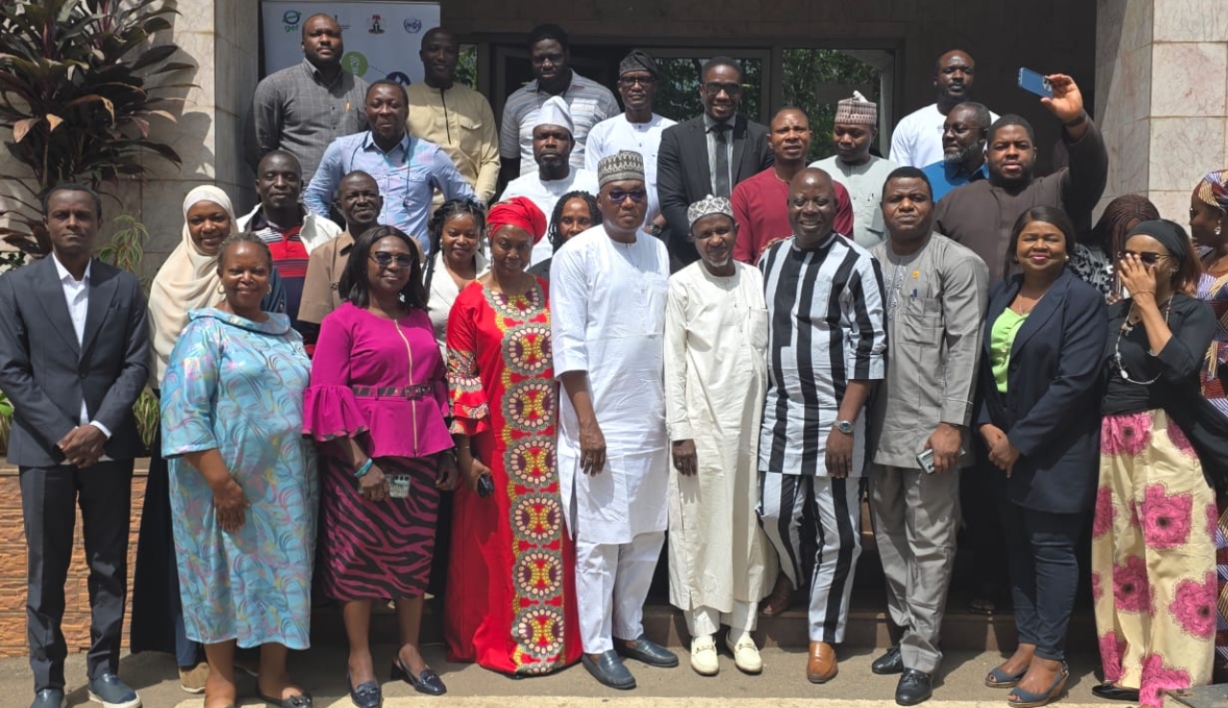
Stakeholders in Nigeria’s industrial sector have called for the urgent scaling up of the Global Environment Facility GEF and the United Nations Industrial Development Organization UNIDO Project to build Industrial capacity for Energy Efficiency, Resource Conservation and Environmental Sustainability.
They made the call in Abuja during an interactive session on the GEF – UNIDO Efficiency Project in partnership with the Manufacturers Association of Nigeria.
The program which brought together government agencies, development partners, and the organised private sector was to review the project’s outcomes and chart a path for broader adoption of sustainable industrial practices.
The national project coordinator, Mr. Jacob Oladipo, in his opening remarks highlighted the project’s achievements in promoting energy efficiency and cleaner production methodologies across Nigerian industries.
“Through capacity building, technical support, cleaner production assessments, policy engagement, and innovative financing mechanisms, the project has demonstrated that improving resource efficiency and reducing energy consumption are not only environmentally responsible actions but also sound business strategies that enhance productivity and competitiveness.”
According to him, the session was designed to present key outcomes and explore opportunities for scaling up the adoption of these practices.
He revealed that the project had facilitated the deployment of N825 million in clean energy financing through the Bank of Industry under a first-loss guarantee structure.

Delivering a goodwill message on behalf of the Nigerian Association of Chambers of Commerce, Industry, Mines and Agriculture NACCIMA, Mr Kunle Fadare commended the Global Environment Facility GEF – UNIDO for their sustained support.
He emphasized the strategic importance of the intervention, noting that Nigeria’s industrial sector accounts for over 30 percent of national energy consumption but operates below optimal efficiency levels.
“Studies indicate that energy efficiency improvements in Nigerian industries could deliver savings of between 20% and 40%, translating into reduced production costs, improved competitiveness, and lower greenhouse gas emissions.”
He also highlighted the environmental imperative, stating that Nigeria generates over 32 million tonnes of solid waste annually, much of which could be reduced through cleaner production techniques.
“The RECP approach therefore offers a practical pathway not only for environmental sustainability but also for improved profitability and long-term business resilience”
The interactive session concluded with a consensus among stakeholders that sustained collaboration between government, development partners, and the private sector is critical to achieving the long-term goal of a competitive and environmentally sustainable industrial sector in Nigeria.
Kayode Oyedare, Edited By Grace Namiji

Post comments (0)