Listeners:
Top listeners:
-
 play_arrow
Kapital FM 92.9 The Station that Rocks!


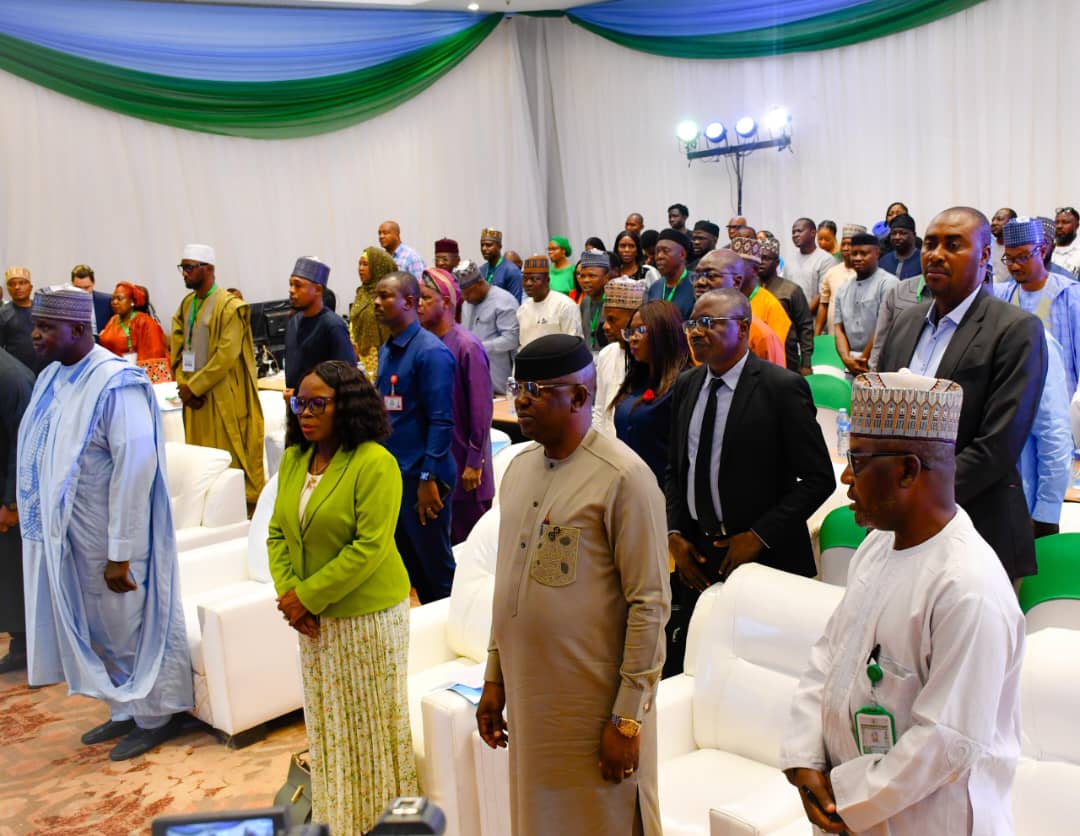
The Minister of Water Resources and Sanitation, Joseph Utsev, has reaffirmed the Federal Government’s commitment to strengthening irrigation development, water resource management, and sustainable energy integration through the Sustainable Power and Irrigation for Nigeria (SPIN) Project.
Professor Utsev made the remarks at the second meeting of the SPIN Project Steering Committee, highlighting that the initiative builds on the achievements of the Transforming Irrigation Management in Nigeria (TRIMING) Project, which concluded last year with significant contributions to water supply, irrigation, and dam enhancement nationwide.
He noted that the Federal Government, under President Bola Ahmed Tinubu, approved SPIN to consolidate and expand the gains of TRIMING, aligning the project with the President’s Renewed Hope Agenda, which prioritizes agricultural productivity, economic diversification, job creation, and improved livelihoods.
Professor Utsev described SPIN as a strategic national programme linking irrigation modernization with sustainable power solutions, aimed at expanding agro-industrial activities and stimulating rural economic growth.
He emphasized that the preparatory team worked diligently to complete all appraisal and implementation arrangements ahead of the project rollout, and that the second Steering Committee meeting provides an opportunity to review progress, assess challenges, and guide the next phase of implementation.
The minister noted that SPIN remains a flagship initiative due to its integrated focus on water, agriculture, energy, and environmental sustainability.
According to Utsev, ensuring food security is fundamental to national development.
“Without food security, no sector of the economy can truly thrive. Agriculture remains the backbone of economic stability, and this initiative is central to our national development strategy,” he said.
He recalled that the inaugural Steering Committee agreed on implementation benchmarks, including strengthening institutional coordination, accelerating technical readiness of irrigation schemes, deepening environmental and social safeguards, empowering Water Users Associations, and finalizing financing arrangements.
 The minister disclosed that these efforts led to the formal declaration of the project’s effectiveness on October 27, 2025, with encouraging progress already recorded.
He identified three priority areas for success: technical readiness and quality assurance, sustainability and environmental stewardship, and strong power integration to support irrigation and agro-processing activities.
Professor Utsev highlighted the need for participating states to ensure that feasibility studies, dam safety instruments, and safeguard documents meet international standards to attract investment and guarantee successful project delivery.
He also stressed collaboration with the Ministry of Power to ensure reliable, cost-effective energy solutions for irrigation schemes and rural industrialization, noting that SPIN aligns with broader infrastructure plans such as the proposed Sokoto–Badagry Super Highway corridor.
The initiative, he said, will benefit farmers through improved irrigation, support pastoralists with sustainable water resources, and provide electricity for households and small-scale industries, while the Steering Committee ensures policy coherence, coordination, and accountability.
On his part, the Minister of Power, Chief Adebayo Adelabu, represented by Permanent Secretary Mahmoud Mamman, reaffirmed his ministry’s commitment to strengthening Nigeria’s energy and agricultural infrastructure through SPIN.
He noted that the project enhances dam safety, optimizes water resource investments, and supports irrigation and hydropower generation.
Chief Adelabu highlighted that the World Bank’s implementation coordination mission in November 2025 recognized the strong engagement of federal and state governments, urging continued momentum to achieve the project objectives before the closing date in December 2029.
He emphasized that participating states must strengthen their Project Implementation Units and technical offices with adequate resources to deliver project objectives.
He concluded by calling on all stakeholders to maintain commitment and collaboration, emphasizing that the successful implementation of SPIN will bring substantial economic and social benefits, enhance agricultural productivity, ensure energy security, and advance sustainable development in Nigeria.
Georgina Humphrey, Edited By Grace Namiji
Post comments (0)