Listeners:
Top listeners:
-
 play_arrow
Kapital FM 92.9 The Station that Rocks!


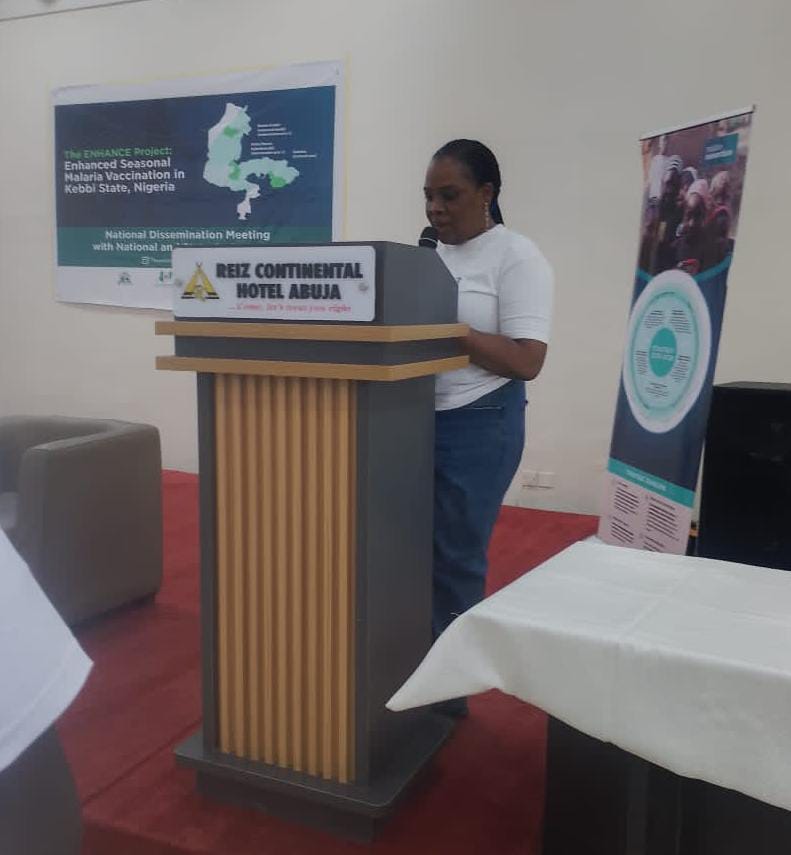
The National Malaria Elimination Program has called for more collaboration with Stakeholders to further enhance Malaria vaccination in Nigeria.
The National Coordinator of the program, Dr. Nnenna Ogbulafor made the call in Abuja, at the National Dissemination of the ENHANCE Project, which assessed a hybrid approach to improving malaria vaccine delivery in Nigeria.
Dr. Ogbulafor who was represented by the Head, Case Management, Dr. Shekarau Emmanuel stressed that Malaria cases remain a major public health concern in Nigeria, which continues to bear a disproportionate share of the global malaria burden, particularly among children under five years of age explained that the vaccine remains critical to address the scourge of the disease.
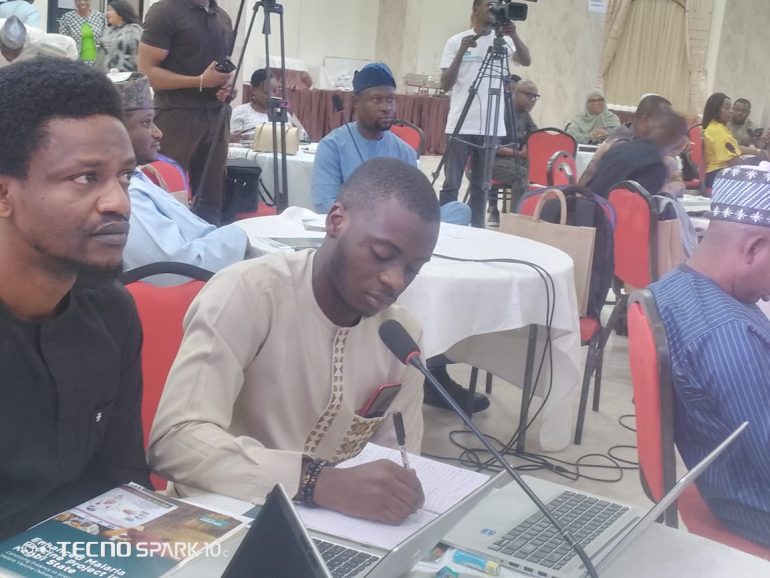
In an address, the West and Central Africa Program Director, Malaria Consortium, Dr. Kolawole Maxwell who highlighted the 2025 World Malaria Report by the World Health Organization, estimates 282 million malaria cases and 610,000 deaths worldwide in which Nigeria accounts for a significant percentage of these cases, stressed the urgent need for innovative strategies to accelerate progress toward malaria elimination.
According Dr. Maxwell, In response to the recent plateau in global malaria control efforts, the Federal government in collaboration with other stakeholders adopted two WHO-recommended vaccines RTS,S/AS01 and R21/Matrix-M for use in moderate- and high-transmission settings.
He said, the most effective way to deliver these vaccines, particularly in African countries where malaria transmission is highly seasonal through the gap identified, the Malaria Consortium, with funding support from Gavi, implemented the ENHANCE project in Nigeria.
“The project focused on generating evidence for an effective hybrid malaria vaccine delivery model that combines routine immunisation services with seasonal outreach efforts, timely demand creation, and structured monitoring and follow-up.”
Speaking on the project breakdown, Dr. Olufunmilayo Ibikunle of Malaria Consortium explained that the initiative aimed to increase the impact of malaria vaccine deployment by addressing critical evidence gaps in resource-constrained settings.
She explained that, the project was guided by three key objectives: assessing the feasibility and acceptability of the hybrid model; evaluating its impact on vaccination coverage, timeliness, malaria parasitological outcomes, caregiver awareness and perceptions, and use of other malaria prevention measures; and determining the cost implications of implementing the intervention.
She highlighted that, the findings from the ENHANCE project demonstrated that the hybrid model substantially improved malaria vaccine coverage and helped maintain timely vaccination during peak transmission seasons. The model also strengthened caregivers’ awareness and knowledge about malaria prevention, leading to improved health-seeking behaviours and positive child health outcomes.
According to her, the Communities involved in the project showed strong acceptance and trust in the programme, particularly where communication was consistent and delivered through credible messengers such as health workers and local leaders.”
“The results suggest that combining routine immunisation services with seasonal mobile outreaches, community-driven demand creation, and reminder systems can significantly expand protection for eligible children in areas with highly seasonal malaria transmission.”
Other stakeholders at the occasion explained further that the evidence generated by the pilot of the vaccine funded by Global Alliance for Vaccine Immunization GAVi project in Kebbi and other three states would inform national and regional strategies for scaling up malaria vaccine delivery, offering renewed hope in the fight against one of the country’s deadliest childhood diseases.
Florence Adewale, Edited By Grace Namiji


Post comments (0)