Listeners:
Top listeners:
-
 play_arrow
Kapital FM 92.9 The Station that Rocks!


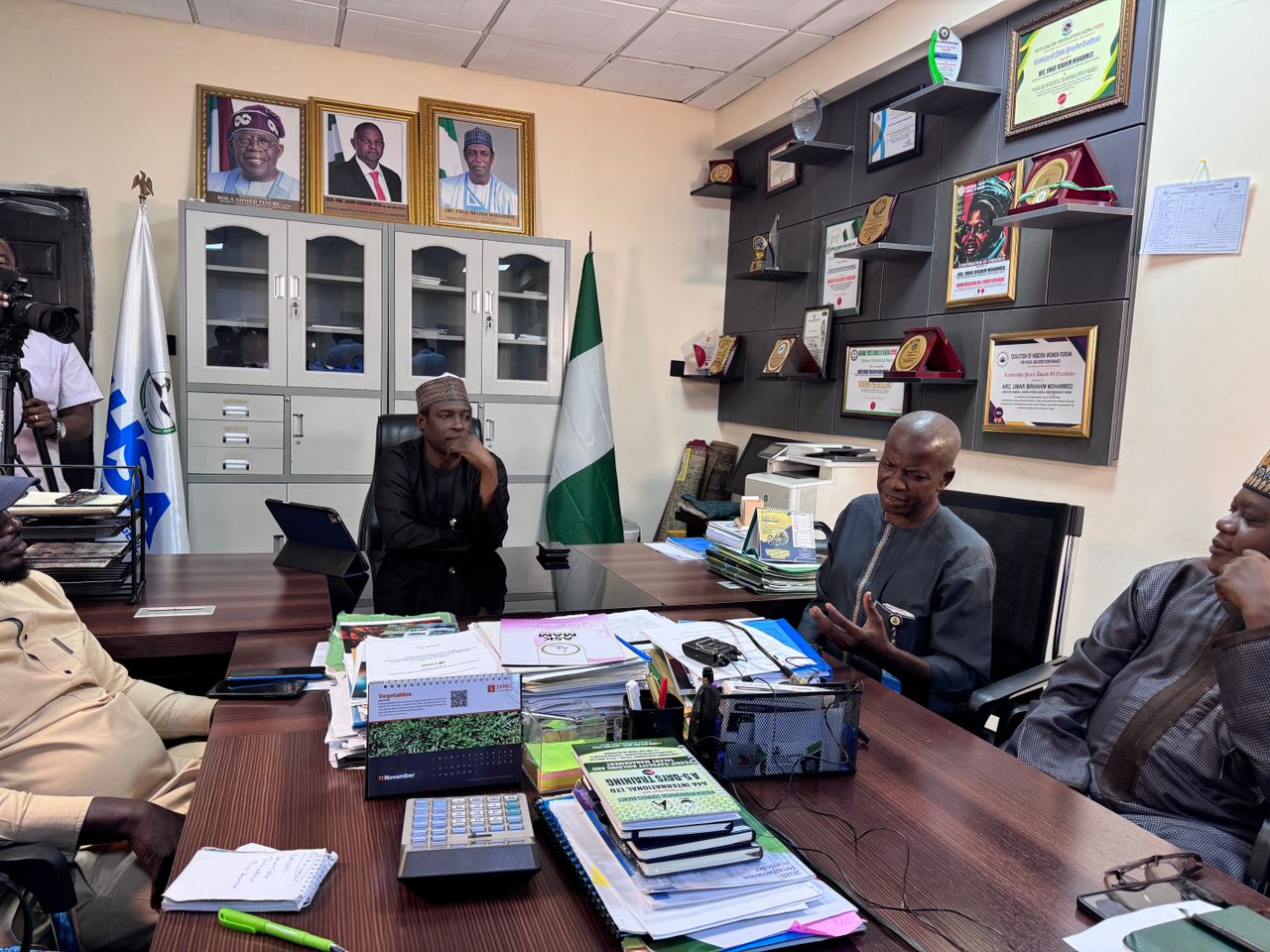
The Nigeria Hydrological Services Agency, NiHSA, has raised serious concerns over dangerous levels of water contamination detected in Lagos, Kogi and Kebbi States following recent flood events.
Director-General of the Agency, Mr. Umar Ibrahim Mohammed, made this known at a news conference in Abuja, warning that the findings pose significant public-health risks if urgent action is not taken.
Mr. Mohammed said NiHSA’s latest water-quality assessments reveal that several communities in Lagos recorded dangerously high concentrations of nitrite, fluoride, lead and cadmium, in addition to heavy microbial pollution.
He attributed the contamination to industrial discharge, sewage infiltration, waste leaching and aging plumbing systems—conditions capable of causing neurological damage, kidney problems and blue-baby syndrome.
“In Kogi State, the Agency found excessive lead levels and microbial contaminants such as E.coli, Streptococcus and Salmonella in groundwater, raising the risk of poisoning and widespread waterborne diseases”
Similarly, in Kebbi State, some local government areas showed extremely high levels of arsenic alongside significant microbial loads.
According to him, long-term exposure to arsenic can result in liver damage, arsenicosis and severe intestinal infections.
The NiHSA Director-General called for urgent intervention by state governments, water authorities and public-health agencies to contain the contamination and ensure safe drinking water for affected communities.
Mr. Mohammed emphasised that the Agency will continue to monitor water quality nationwide and issue timely warnings to prevent public-health emergencies.
He urged Nigerians to take NiHSA’s alerts seriously and follow safety advisories to reduce exposure to contaminated water sources.
Georgina Humphrey, Edited By Grace Namiji

Post comments (0)