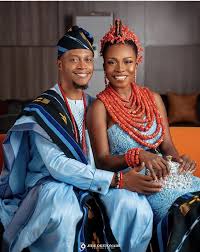
Celebrating Diversity To Overcome Challenges Associated With Inter-Tribal Marriage
Inter-tribal marriage is a legally or customarily recognized union between two individuals from distinct ethnic groups or tribes, characterized by the merging of different cultural, linguistic, and traditional backgrounds.
Simply put, it is a union between individuals from different ethnic groups or tribes.
For instance, in Nigeria, a Yoruba person marrying an Igbo person or a Hausa legalizing his or her union with an Efik person or any other ethnic group.
In a country like Nigeria, where ethnic diversity is often accompanied by deep-seated cultural and tribal tensions, a quiet revolution seems to be taking place in recent times.
This means that inter- tribal marriages, once frowned upon or forbidden, are increasingly becoming accepted and celebrated.
A recent survey indicates that the number of inter-tribal marriages in Nigeria has risen significantly over the past decade.
This shift is attributed to increased urbanization, education, and exposure to diverse cultures.
The growing trend is not limited to any region. In the north, inter-tribal marriages between Hausa, Fulani, and other ethnic groups are also on the rise.
Which has resulted in some benefits. For instance, it has helped in breaking down cultural barriers and stereotypes.
It has also helped to promote understanding and tolerance, enhance social cohesion, enrich family life, and promote national unity.
Nonetheless, some families and communities have continued to resist inter-tribal marriages, citing cultural and traditional concerns.
For a fact, Nigeria has over 250 ethnic groups, each with its own customs, traditions, and values. Integrating these differences can be challenging, especially when it comes to issues like child-rearing, family expectations, and social norms.
Language barrier is another challenge. With over 500 languages spoken in Nigeria, communication is a significant hurdle, especially for couples who do not share a common language.
Family resistance is yet another factor that can raise tension, conflict, or even stigmatization.
Also, religious differences pose a great challenge in a multi – religious country like Nigeria.
This can lead to conflicts over issues of faith, worship, and child-rearing.
Other challenges include economic pressures, identity crisis, community acceptance, and legal complexities.
Despite the challenges, a good number of inter-tribal couples in the country have found ways to navigate their differences to build strong and loving relationships.
Love, they say, respects culture, but it is not bound by it.
Strategically, these challenges can be managed through open dialogue, a situation whereby a couple discusses cultural differences before marriage to align expectations like child-rearing and festivals,which can go a long way.
Celebrating diversity in ceremonies can equally be a powerful symbol of unity and acceptance.
Counselling and support networks tailored towards inter-tribal couples can help navigate cultural differences and set shared expectations.
The media is not left out as showcasing successful inter-tribal couples in movies, Programmes and social media can challenge negative narratives and inspire others.
Lastly, the government and non-governmental organizations can support inter-tribal unions through inclusive policies and community-building initiatives that promote national unity.
By Clemetina Eke, Edited By Grace Namiji
 play_arrow


Commentary
Celebrating Diversity To Overcome Challenges Associated With Inter-Tribal Marriage
todayJuly 25, 2025
Celebrating Diversity To Overcome Challenges Associated With Inter-Tribal Marriage
Inter-tribal marriage is a legally or customarily recognized union between two individuals from distinct ethnic groups or tribes, characterized by the merging of different cultural, linguistic, and traditional backgrounds.
Simply put, it is a union between individuals from different ethnic groups or tribes.
For instance, in Nigeria, a Yoruba person marrying an Igbo person or a Hausa legalizing his or her union with an Efik person or any other ethnic group.
In a country like Nigeria, where ethnic diversity is often accompanied by deep-seated cultural and tribal tensions, a quiet revolution seems to be taking place in recent times.
This means that inter- tribal marriages, once frowned upon or forbidden, are increasingly becoming accepted and celebrated.
A recent survey indicates that the number of inter-tribal marriages in Nigeria has risen significantly over the past decade.
This shift is attributed to increased urbanization, education, and exposure to diverse cultures.
The growing trend is not limited to any region. In the north, inter-tribal marriages between Hausa, Fulani, and other ethnic groups are also on the rise.
Which has resulted in some benefits. For instance, it has helped in breaking down cultural barriers and stereotypes.
It has also helped to promote understanding and tolerance, enhance social cohesion, enrich family life, and promote national unity.
Nonetheless, some families and communities have continued to resist inter-tribal marriages, citing cultural and traditional concerns.
For a fact, Nigeria has over 250 ethnic groups, each with its own customs, traditions, and values. Integrating these differences can be challenging, especially when it comes to issues like child-rearing, family expectations, and social norms.
Language barrier is another challenge. With over 500 languages spoken in Nigeria, communication is a significant hurdle, especially for couples who do not share a common language.
Family resistance is yet another factor that can raise tension, conflict, or even stigmatization.
Also, religious differences pose a great challenge in a multi – religious country like Nigeria.
This can lead to conflicts over issues of faith, worship, and child-rearing.
Other challenges include economic pressures, identity crisis, community acceptance, and legal complexities.
Despite the challenges, a good number of inter-tribal couples in the country have found ways to navigate their differences to build strong and loving relationships.
Love, they say, respects culture, but it is not bound by it.
Strategically, these challenges can be managed through open dialogue, a situation whereby a couple discusses cultural differences before marriage to align expectations like child-rearing and festivals,which can go a long way.
Celebrating diversity in ceremonies can equally be a powerful symbol of unity and acceptance.
Counselling and support networks tailored towards inter-tribal couples can help navigate cultural differences and set shared expectations.
The media is not left out as showcasing successful inter-tribal couples in movies, Programmes and social media can challenge negative narratives and inspire others.
Lastly, the government and non-governmental organizations can support inter-tribal unions through inclusive policies and community-building initiatives that promote national unity.
By Clemetina Eke, Edited By Grace Namiji
Written by: Salihu Tejumola
Celebrating Diversity To Overcome Challenges Associated With Inter-Tribal Marriage
Similar posts
Business
APC Poised To Take Over Abia State- Deputy Speaker
todayOctober 6, 2025
Commentary
Tenant-Landlord Relationship In Nigeria: Rights And Responsibilities
todayAugust 29, 2025
Post comments (0)
Recent Video
Recent Posts