Listeners:
Top listeners:
-
 play_arrow
Kapital FM 92.9 The Station that Rocks!


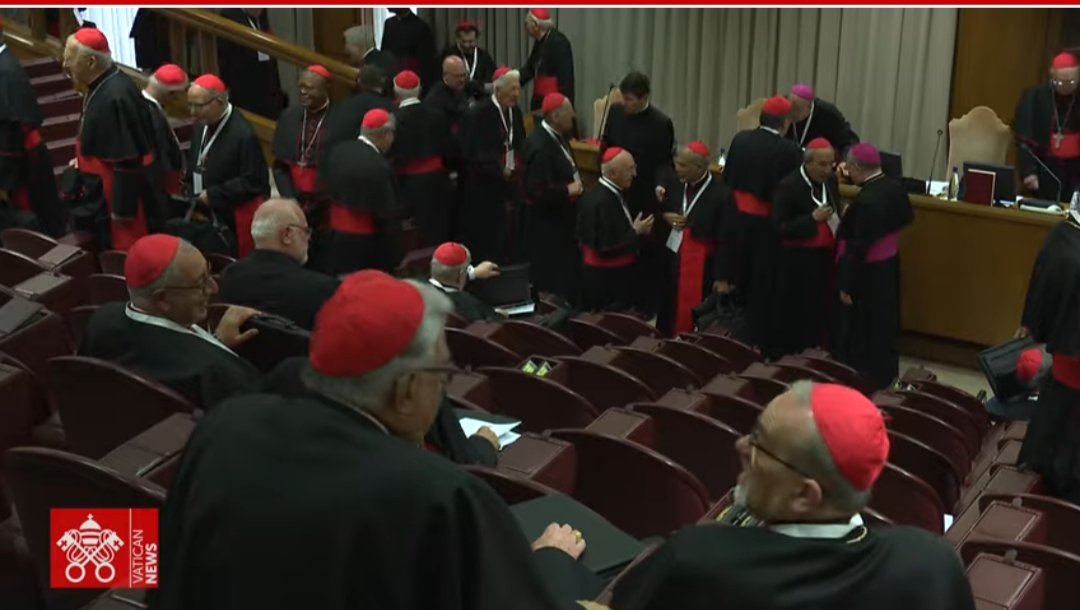
The conclave to elect Pope Francis’s successor will begin on 7 May, the Vatican has announced.
Some 135 cardinal electors who are under the age of 80 – will take part and vote for the new pontiff.
The rituals of the event, held in the Sistine Chapel, are elaborate and date back centuries. So how does the process work?
When Pope Francis died, the Catholic Church entered a period known as “sede vacante”, meaning “empty seat”.
His ring and seal – used to dispatch papal documents – were broken to prevent anyone else from using them.
Cardinals travel to Rome from all over the world and stay until a new pope is chosen.
Of the 252 current ones, there are 135 cardinal electors: 53 from Europe; 23 from Asia; 20 from North America; 18 from Africa; 17 from South America; and four from Oceania.
Italy has the most cardinals who can vote, with 17, while the US has 10 and Brazil has seven. The UK has three.
Once the conclave begins, the cardinals will not emerge from the Vatican until a new pope has been chosen. The word “conclave” comes from Latin, meaning “with key” – a reference to the isolation in which the cardinals are kept.
While holding voting sessions in the Sistine Chapel, they sleep in the Casa Santa Marta – a guesthouse inside the Vatican’s grounds.
The longest conclave lasted almost three years, between 1268 and 1271. Several have lasted only one day. The one which elected Pope John Paul in 1978 lasted less than three days. Cardinals chose Pope Francis in around two days.
While the conclave is ongoing, cardinals are unable to communicate with the outside world. No telephones, internet use or newspapers are allowed.
Except for the first day, when only one ballot is held, the cardinals hold two daily votes until one candidate has a majority of two-thirds plus one. They are sworn to secrecy about the voting.
The Washington Post


Post comments (0)