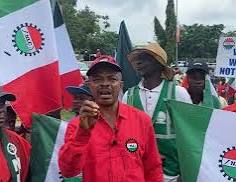
Economic Hardship Confronting Workers, Task Before Labour Unions
In the face of mounting economic challenges, the role of labour unions in Nigeria has become more critical than ever.
With inflation soaring, fuel subsidy removal driving up living costs and unemployment remaining a persistent issue, millions of Nigerians look unto labour unions to champion their cause and negotiate better working conditions for economic relief.
The need for proactive, purposeful leadership within labour organizations cannot be overstated.
Since the removal of fuel subsidy in 2023, transportation costs and commodity prices have skyrocketed, significantly eroding the purchasing power of ordinary Nigerians. Inflation rates have also increased, and food insecurity continues to plague many families.
Against this backdrop, labour unions are expected to advocate policies that protect workers and provide social safety nets for the vulnerable.
Throughout Nigeria’s history, labour agitations have often forced government action on critical issues: for example, the 2010 Minimum Wage Increase.
The Nigeria Labour Congress (NLC) led negotiations that resulted in the Federal Government raising the national minimum wage from #7,500 to #18,000.
In the 2018 Fuel Price Protests, Labour unions successfully pressured the government to halt abrupt hikes in fuel prices, demonstrating the power of collective action in curbing anti-people policies.
In 2021, at the Endorsement of Palliatives for COVID-19 Relief during the pandemic, labour unions engaged the government to secure wage protections and stimulus packages for workers affected by lockdown measures.
Labour leaders must now therefore adopt innovative strategies that prioritize meaningful dialogue with government officials while keeping workers informed and engaged.
Proactive steps must include: Negotiation for Wage Adjustments: that is, the unions should push for a realistic increase in the national minimum wage to match current inflationary pressures.
They should also be involved in Monitoring of Palliative Distribution in the country.
In other words, Labour unions must ensure transparency and accountability in government relief programmes to prevent corruption.
Advocacy for Employment Generation is also another area labour union should look into.
The Unions can collaborate with the private sector to advocate job creation initiatives and vocational training programs for unemployed youths.
To do these successfully, the Nigerian labour unions must remain united and steadfast in their commitment to serving the interests of workers and the masses. Strikes and protests must be employed cautiously and should be seen as a last resort while prioritizing constructive engagement and sustainable solutions.
By rising to their duties and forging a stronger alliance with civil society, labour unions can help the country navigate its economic challenges and secure a better future for its people.
By Sandra Udeike, Edited By Grace Namiji
 play_arrow


Commentary
Economic Hardship Confronting Workers, Task Before Labour Unions
todayMarch 6, 2025
Economic Hardship Confronting Workers, Task Before Labour Unions
In the face of mounting economic challenges, the role of labour unions in Nigeria has become more critical than ever.
With inflation soaring, fuel subsidy removal driving up living costs and unemployment remaining a persistent issue, millions of Nigerians look unto labour unions to champion their cause and negotiate better working conditions for economic relief.
The need for proactive, purposeful leadership within labour organizations cannot be overstated.
Since the removal of fuel subsidy in 2023, transportation costs and commodity prices have skyrocketed, significantly eroding the purchasing power of ordinary Nigerians. Inflation rates have also increased, and food insecurity continues to plague many families.
Against this backdrop, labour unions are expected to advocate policies that protect workers and provide social safety nets for the vulnerable.
Throughout Nigeria’s history, labour agitations have often forced government action on critical issues: for example, the 2010 Minimum Wage Increase.
The Nigeria Labour Congress (NLC) led negotiations that resulted in the Federal Government raising the national minimum wage from #7,500 to #18,000.
In the 2018 Fuel Price Protests, Labour unions successfully pressured the government to halt abrupt hikes in fuel prices, demonstrating the power of collective action in curbing anti-people policies.
In 2021, at the Endorsement of Palliatives for COVID-19 Relief during the pandemic, labour unions engaged the government to secure wage protections and stimulus packages for workers affected by lockdown measures.
Labour leaders must now therefore adopt innovative strategies that prioritize meaningful dialogue with government officials while keeping workers informed and engaged.
Proactive steps must include: Negotiation for Wage Adjustments: that is, the unions should push for a realistic increase in the national minimum wage to match current inflationary pressures.
They should also be involved in Monitoring of Palliative Distribution in the country.
In other words, Labour unions must ensure transparency and accountability in government relief programmes to prevent corruption.
Advocacy for Employment Generation is also another area labour union should look into.
The Unions can collaborate with the private sector to advocate job creation initiatives and vocational training programs for unemployed youths.
To do these successfully, the Nigerian labour unions must remain united and steadfast in their commitment to serving the interests of workers and the masses. Strikes and protests must be employed cautiously and should be seen as a last resort while prioritizing constructive engagement and sustainable solutions.
By rising to their duties and forging a stronger alliance with civil society, labour unions can help the country navigate its economic challenges and secure a better future for its people.
By Sandra Udeike, Edited By Grace Namiji
Written by: Salihu Tejumola
Economic Hardship Confronting Workers Task Before Labour Unions
Similar posts
Business
APC Poised To Take Over Abia State- Deputy Speaker
todayOctober 6, 2025
Commentary
Tenant-Landlord Relationship In Nigeria: Rights And Responsibilities
todayAugust 29, 2025
Post comments (0)
Recent Video
Recent Posts