Integrating Robotics Into Primary School Curriculum
In the rapidly evolving digital age, where technology permeates every aspect of modern life, it’s crucial to equip children with essential IT skills from an early age.
Proficiency in areas like file management, internet security, word processing, and spread-sheets is vital for navigating today’s digital landscape.
However, to truly prepare the children for the future, it is necessary to move beyond traditional IT skills and introduce robotics into the Nigerian primary school curriculum.
The integration of robotics into primary school curricula has become imperative, particularly in countries where digital literacy is key to unlocking future opportunities.
Robotics education offers numerous benefits aligned with modern education goals, fostering critical thinking, problem-solving, creativity, and collaboration as essential skills for success in the 21st century.
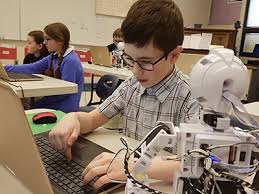
By engaging with robotics, students not only learn about hardware and software but also gain a deeper understanding of STEM concepts in a hands-on, interactive manner.
Introducing robotics into the curriculum helps bridge the gap between theoretical knowledge and practical application.
While traditional IT education focuses on software usage, robotics exposes students to the physical manifestation of technology.
They learn to build, program, and interact with robots, gaining a holistic understanding of how technology operates in the real world.
Moreover, robotics education cultivates a growth mind-set among students, encouraging them to embrace challenges, experiment with solutions, and learn from failure the vital components of in
novation and progress.
This mind-set is especially crucial in countries like Nigeria, where entrepreneurship and innovation drives economic development.
Robotics also has the potential to democratize access to technology and promote inclusivity in education. By engaging with robotics kits and platforms, students from diverse backgrounds can explore STEM fields, regardless of their socioeconomic status.
This inclusivity is essential for nurturing a diverse talent pool and ensuring equal opportunities for all children in the digital age.
Integrating robotics into the curriculum enhances interdisciplinary learning, as robotics projects naturally incorporate elements of mathematics, physics, engineering, and computer science.
Students learn to apply concepts from multiple disciplines to solve real-world problems, preparing them for the interdisciplinary nature of future careers.
Furthermore, robotics education fosters creativity and innovation by empowering students to design and create their robots.
From brainstorming ideas to prototyping and testing, students are encouraged to think outside the box and explore unconventional solutions, driving technological advancements and entrepreneurial ventures.
Additionally, robotics education nurtures essential life skills such as teamwork, communication and leadership. Collaborative robotics projects require students to work together effectively, delegate tasks, and communicate relevant skills vital for success in both the workplace and the society.
By inculcating robotics education in Nigerian primary schools, this will not only prepare students for future careers but also foster a culture of innovation, creativity, and lifelong learning.
Embracing robotics in the curriculum will go far in empowering the nation’s children and enable them to face the future with the needed robotics and digital skills, have confidence and competence that guarantees that they thrive in an increasingly digital world.
By Hemen Dyako, Edited By Grace Namiji
 play_arrow


Commentary
Integrating Robotics Into Primary School Curriculum
todayMay 15, 2024
Integrating Robotics Into Primary School Curriculum
In the rapidly evolving digital age, where technology permeates every aspect of modern life, it’s crucial to equip children with essential IT skills from an early age.
Proficiency in areas like file management, internet security, word processing, and spread-sheets is vital for navigating today’s digital landscape.
However, to truly prepare the children for the future, it is necessary to move beyond traditional IT skills and introduce robotics into the Nigerian primary school curriculum.
The integration of robotics into primary school curricula has become imperative, particularly in countries where digital literacy is key to unlocking future opportunities.
Robotics education offers numerous benefits aligned with modern education goals, fostering critical thinking, problem-solving, creativity, and collaboration as essential skills for success in the 21st century.
By engaging with robotics, students not only learn about hardware and software but also gain a deeper understanding of STEM concepts in a hands-on, interactive manner.
Introducing robotics into the curriculum helps bridge the gap between theoretical knowledge and practical application.
While traditional IT education focuses on software usage, robotics exposes students to the physical manifestation of technology.
They learn to build, program, and interact with robots, gaining a holistic understanding of how technology operates in the real world.
Moreover, robotics education cultivates a growth mind-set among students, encouraging them to embrace challenges, experiment with solutions, and learn from failure the vital components of in
novation and progress.
This mind-set is especially crucial in countries like Nigeria, where entrepreneurship and innovation drives economic development.
Robotics also has the potential to democratize access to technology and promote inclusivity in education. By engaging with robotics kits and platforms, students from diverse backgrounds can explore STEM fields, regardless of their socioeconomic status.
This inclusivity is essential for nurturing a diverse talent pool and ensuring equal opportunities for all children in the digital age.
Integrating robotics into the curriculum enhances interdisciplinary learning, as robotics projects naturally incorporate elements of mathematics, physics, engineering, and computer science.
Students learn to apply concepts from multiple disciplines to solve real-world problems, preparing them for the interdisciplinary nature of future careers.
Furthermore, robotics education fosters creativity and innovation by empowering students to design and create their robots.
From brainstorming ideas to prototyping and testing, students are encouraged to think outside the box and explore unconventional solutions, driving technological advancements and entrepreneurial ventures.
Additionally, robotics education nurtures essential life skills such as teamwork, communication and leadership. Collaborative robotics projects require students to work together effectively, delegate tasks, and communicate relevant skills vital for success in both the workplace and the society.
By inculcating robotics education in Nigerian primary schools, this will not only prepare students for future careers but also foster a culture of innovation, creativity, and lifelong learning.
Embracing robotics in the curriculum will go far in empowering the nation’s children and enable them to face the future with the needed robotics and digital skills, have confidence and competence that guarantees that they thrive in an increasingly digital world.
By Hemen Dyako, Edited By Grace Namiji
Written by: Salihu Tejumola
Integrating Robotics Into Primary School Curriculum
Similar posts
Business
APC Poised To Take Over Abia State- Deputy Speaker
todayOctober 6, 2025
Commentary
Tenant-Landlord Relationship In Nigeria: Rights And Responsibilities
todayAugust 29, 2025
Post comments (0)
Recent Video
Recent Posts