Listeners:
Top listeners:
-
 play_arrow
Kapital FM 92.9 The Station that Rocks!


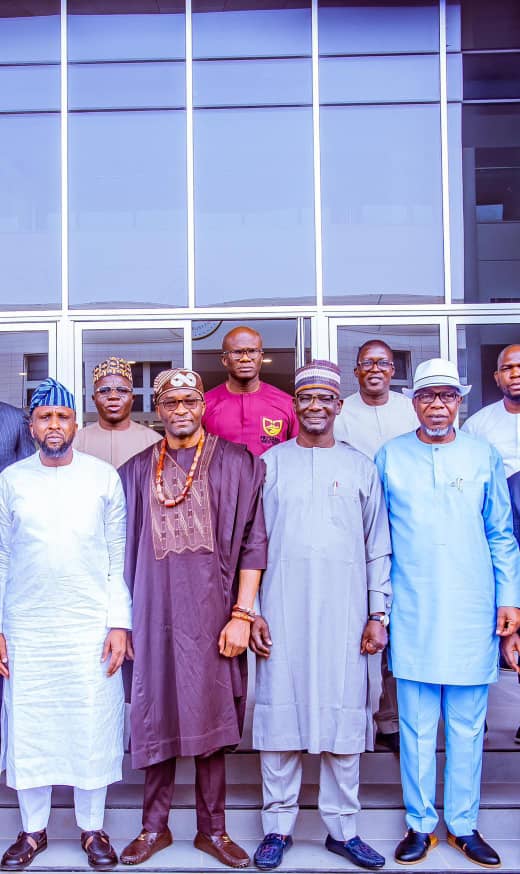
The Deputy Speaker of the House of Representatives, Mr. Benjamin Okezie Kalu says insecurity, inadequate infrastructure, and lack of skilled labour have continued to act as bottlenecks hampering the growth of Nigeria’s mining sector.
Mr. Kalu made the assertion while delivering his address at a Public Policy Dialogue on Nigeria’s Minerals and Mining Legislation in Abuja.
He said that the nation’s vast mineral resources have remained largely untapped, and undeservedly overshadowed by our too much reliance on oil.
According to the Speaker, despite boasting over 40 commercially viable minerals, the mining sector contributes a mere 0.3% to the country’s GDP, saying it is unacceptable.
Making reference to a Bill he co-sponsored with the Chairman, House Committee on Solid Mineral, Jonathan Gbefwi titled Nigerian Minerals and Mining Act (Amendment) Bill as well as eight other mining bills, Kalu said that the bills when passed into law will represent a turning point for the nation’s mineral wealth.
The Deputy Speaker also noted that governments hold many of the levers to deal with the great challenges, adding however, that businesses have the innovation, technology, and talents to deliver the needed solutions.
Kalu also opined that the governing philosophy in the mining sector in Nigeria should henceforth be approached with a private-sector-led lens, stressing that it is through this crucial partnership that the true potential of Nigeria’s mining sector can be unlocked.
“This public policy dialogue is engineered to create the appropriate right of way for the necessary adjustments and policymaking creativity that is required to optimize the promising prospects of Nigeria’s mining sector.
However, challenges remain. Insecurity, inadequate infrastructure, and a lack of skilled labor continue to act as bottlenecks. This is where the HB.751 and eight other mining-related bills currently under consideration come in.
“They are not just amendments; they are a comprehensive reform package designed to address these challenges and propel our mining sector into the future. Here’s what these bills aim to achieve: Enhanced security: By fostering collaboration between mining companies, communities, and security agencies, we can create a safer environment for investment and development. Infrastructure development: We are committed to investing in critical infrastructure like roads, railways, and power, making mine operations more efficient and cost-effective. Skilled workforce development: We are building partnerships with educational institutions and industry leaders to equip Nigerians with the skills they need to thrive in this sector.
In his remarks, the Nasarawa State Governor Abdullahi Sule, also stated that people from other countries were benefiting more from Nigeria’s solid mineral resources than the indigenes who get only peanuts from the sector.
According to Governor Sule, if government and other stakeholders are serious about the future of the economic situation of Nigeria, they must reform the solid mineral sector and come up with policies that would benefit Nigerians.
He said: “One community in Nasarawa got some kind of compensation of a very small amount N700 million, they were so excited which was nothing compared to the time when lithium was running roughly about $76,000 per metric ton.
Also speaking, the Chairman, House Committee on Solid Minerals, Jonathan Gbefwi
said the Nigerian Minerals and Mining Act (Amendment) Bill being considered proposes 5% of the total revenue of all minerals mined to the host communities (hostcom).
He said the bill when passed will allow for establishment of Mines Inspection and Environmental Agency to provide improved deeper oversight of mining activities and bridge the gap between the federal and state governments to empower the Mineral Resources and Environmental Management Committee for effective and joint oversight.
By Oduyemi Odumade, Edited By Grace Namiji

Post comments (0)